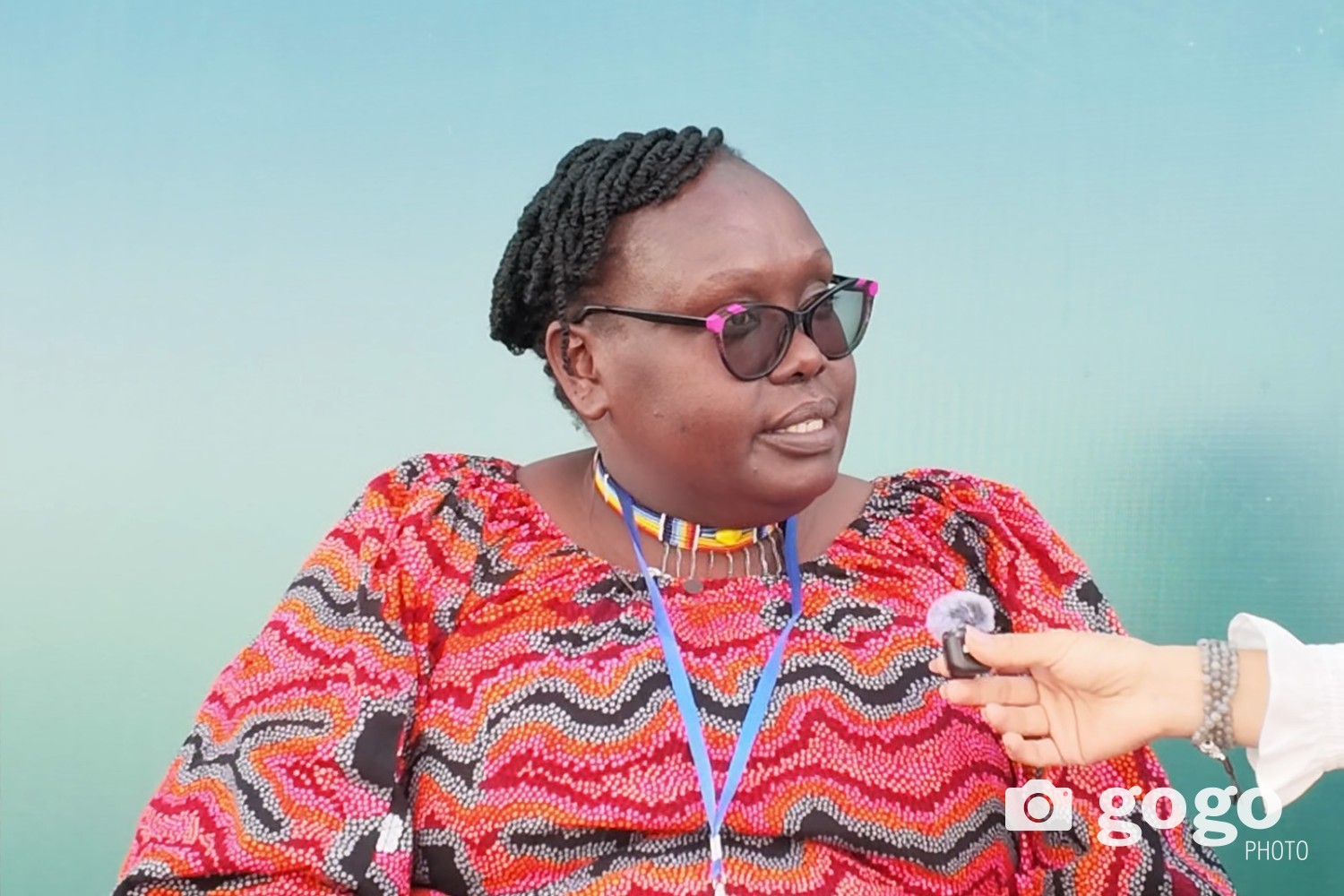


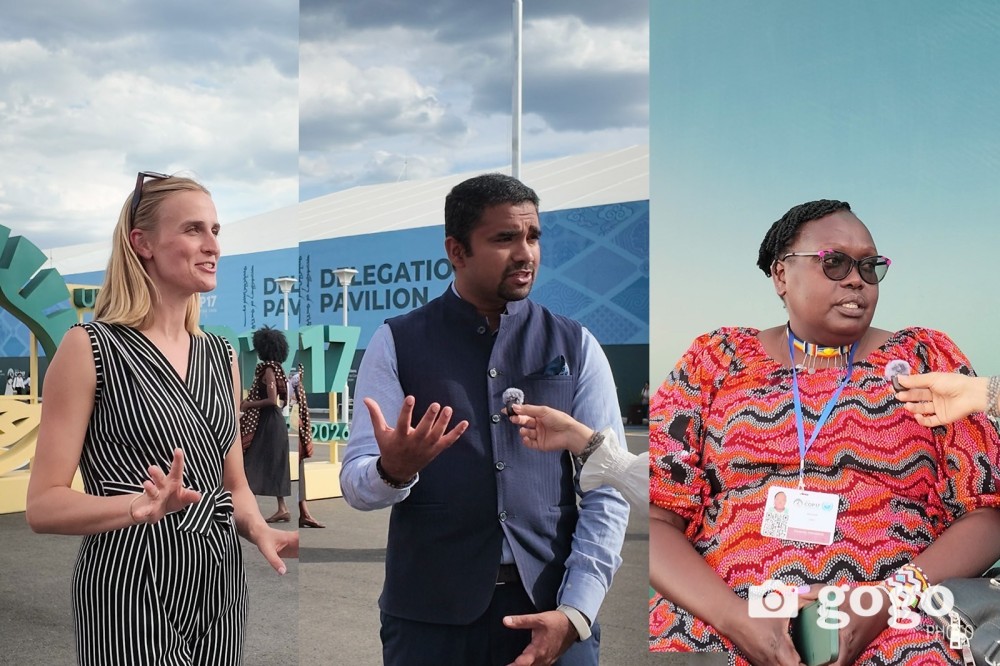
COP17 to the United Nations Convention to Combat Desertification (UNCCD) is continuing in Ulaanbaatar today, marking its 11th day. The Mongolian side sees the conference as an opportunity to demonstrate policy leadership at the international level on rangelands and pastoralist issues, while also attracting financing and investment.
We spoke to several international delegates attending the conference to hear their perspectives.
Please introduce yourself.
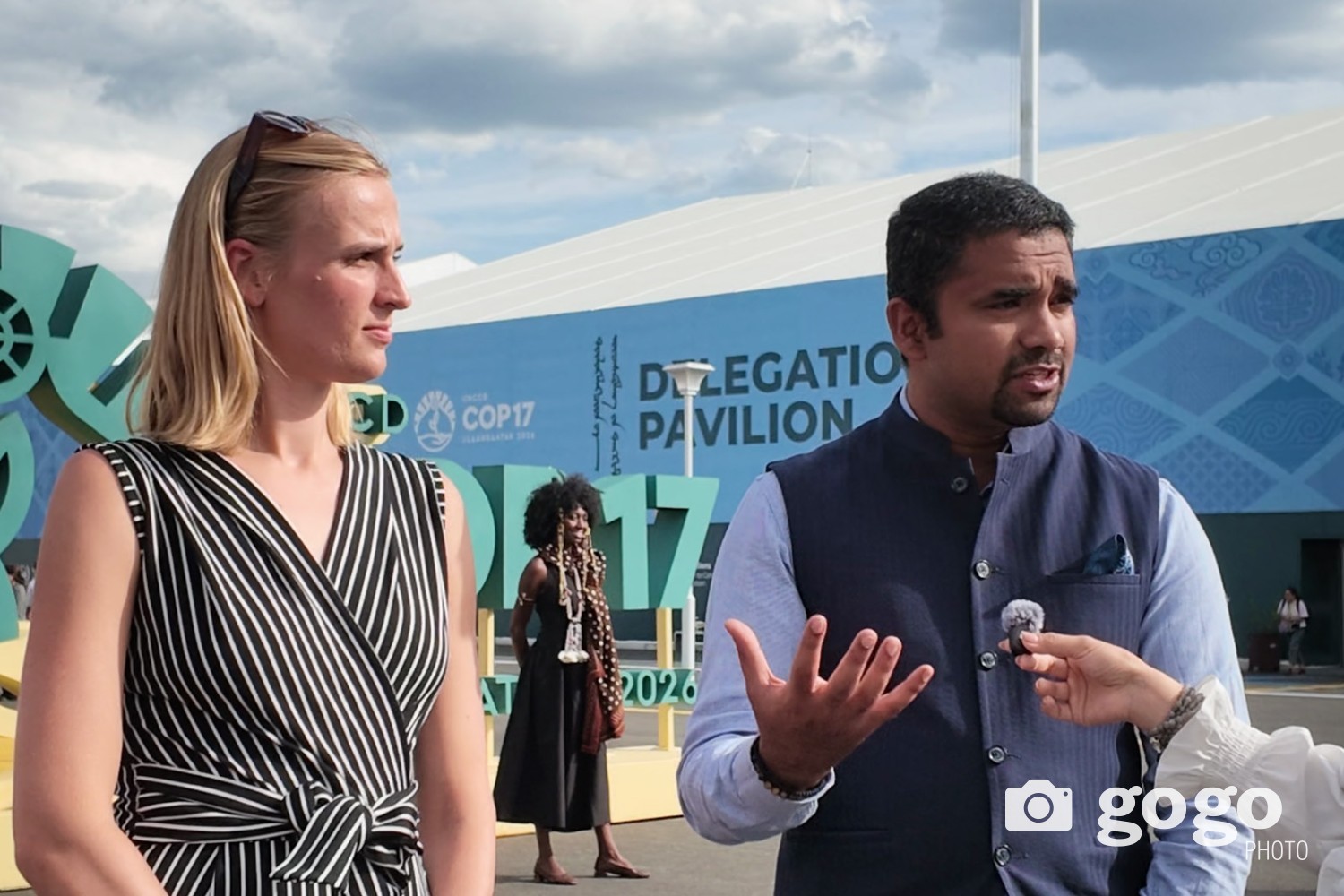
My name is Dhanush Dinesh. I'm the founder of an NGO called Climeat. We work on climate change and food and agriculture, globally. I'm Daan Schuttenbelt. I work with Dhanush at Climeat. I'm their impact lead.
And what is your participation here? And what do you focus more?
Dhanush Dinesh: We are very interested in topics around soil health, improving soil health and carbon storage in soils. We are interested in policies to protect our land and make land management more sustainable. We're focusing a lot on agriculture, food, and how we can shift financing to make sure that people get cheap, nutritious food to sustain us all, as well as sustain the planet.
I think also just the importance of nature in whatever form it comes is, I've learned a lot about how you can rely on land, and there's also limitations, and it's important to understand them.
I'd like to hear your thoughts on the organization.
Dhanush Dinesh: It's very well organized. Аs a delegate, everything from getting a visa to getting access, immigration, transportation, everything's very well organized. Yeah, I think it's been really smooth, everything. I've run into no issues.
Daan Schuttenbelt: Everyone's been so helpful. It's been really, really positive experience. And I think it's been really interesting to be surrounded by these hills and really feel like we're in the middle of some of the issues that we're discussing feel quite prominent here.
Have you participated in COP in another country before?
Dhanush Dinesh: I have not been to a desertification COP, but I have been to eight climate COPs. The most recent one was in Azerbaijan that I went to, Dubai, Egypt, many countries.
Did you get a chance to look around in Ulaanbaatar city as a city tour here?
Daan Schuttenbelt: I spent a day exploring the city. And it was really nice to see a little bit more about the history and the the, yeah, the richness of the culture here. Unfortunately, I haven't been outside of the city. I wish I could do that because that feels like a really important part of the country as well.
What is the most important environmental problem in Netherlands?
Dhanush Dinesh: We are based in Netherlands, but we work internationally. So it's also in Africa, Southeast Asia and in Latin America. And everywhere, I think we are getting more and more disconnected to our environment.
Everything we have comes from our land. The food we eat, we grow there, but we are getting more and more disconnected. Nowadays, we just buy our food in the supermarket, we don't know where it comes from.
And when we get disconnected, we stop caring for our land we stop caring for the soils from whom we get crops or we have animals grazing. So we have been neglecting our environment, our soils, our lands. And that's because we are becoming disconnected.
And I think the opportunity is really to reconnect with the land. And I think it's great to do that in Mongolia, which is a land with so much natural beauty, but also so much richness in civilization and culture, that you've had so much history of transformations happening. So we can maybe not only learn from the beauty of the natural landscape, but also from your rich history.
But being in Mongolia, I could see it from a different perspective altogether, because grazing, land management, animals, it's all so much part of a culture.
Daan Schuttenbelt: Yeah, I completely agree. I don't have much more to add, except for the fact that I think there's a lot more listening that we can do. So especially to people who are most affected by these things.
So farmers or pastoralists, whoever, that they're experiencing these things directly. So just listening to each other and to everyone that's affected.
What have you learned during your time here in Mongolia over the past few days?
Dhanush Dinesh: So I have not had the chance to go outside of Ulaanbaatar, but I've had the chance to eat a lot of nice Mongolian food.
And we also work on food and agriculture. And often, globally, this is a very divisive topic. Some people say we shouldn't eat meat, some people say we should eat meat.
So there's a lot of division. But being in Mongolia, I could see it from a different perspective altogether, because grazing, land management, animals, it's all so much part of a culture. So I was able to see the circularity of that culture, the taste in the food, the relationship with the culture. So that was quite insightful.
Daan Schuttenbelt: I was going to say the same thing about circularity. So things are really reused, and all parts of animals or of plants are really used.
But I think also just the importance of nature in whatever form it comes is, I've learned a lot about how you can rely on land, and there's also limitations, and it's important to understand them.
What did you like most of Mongolian traditional food?
Dhanush Dinesh: So actually, some of the grilled meats were what I like, but I also liked, for example, there was the beef tongue, for example. So there was, it's normally, we're becoming only focused on certain parts of the animal.
So there were different parts of the animals as well being used, so it gives a fulfilling circular feeling. It was also quite delicious, and it's not something I've had before.
COP17 to the United Nations Convention to Combat Desertification (UNCCD) is continuing in Ulaanbaatar today, marking its 11th day. The Mongolian side sees the conference as an opportunity to demonstrate policy leadership at the international level on rangelands and pastoralist issues, while also attracting financing and investment.
We spoke to several international delegates attending the conference to hear their perspectives.
Please introduce yourself.
My name is Dhanush Dinesh. I'm the founder of an NGO called Climeat. We work on climate change and food and agriculture, globally. I'm Daan Schuttenbelt. I work with Dhanush at Climeat. I'm their impact lead.
And what is your participation here? And what do you focus more?
Dhanush Dinesh: We are very interested in topics around soil health, improving soil health and carbon storage in soils. We are interested in policies to protect our land and make land management more sustainable. We're focusing a lot on agriculture, food, and how we can shift financing to make sure that people get cheap, nutritious food to sustain us all, as well as sustain the planet.
I think also just the importance of nature in whatever form it comes is, I've learned a lot about how you can rely on land, and there's also limitations, and it's important to understand them.
I'd like to hear your thoughts on the organization.
Dhanush Dinesh: It's very well organized. Аs a delegate, everything from getting a visa to getting access, immigration, transportation, everything's very well organized. Yeah, I think it's been really smooth, everything. I've run into no issues.
Daan Schuttenbelt: Everyone's been so helpful. It's been really, really positive experience. And I think it's been really interesting to be surrounded by these hills and really feel like we're in the middle of some of the issues that we're discussing feel quite prominent here.
Have you participated in COP in another country before?
Dhanush Dinesh: I have not been to a desertification COP, but I have been to eight climate COPs. The most recent one was in Azerbaijan that I went to, Dubai, Egypt, many countries.
Did you get a chance to look around in Ulaanbaatar city as a city tour here?
Daan Schuttenbelt: I spent a day exploring the city. And it was really nice to see a little bit more about the history and the the, yeah, the richness of the culture here. Unfortunately, I haven't been outside of the city. I wish I could do that because that feels like a really important part of the country as well.
What is the most important environmental problem in Netherlands?
Dhanush Dinesh: We are based in Netherlands, but we work internationally. So it's also in Africa, Southeast Asia and in Latin America. And everywhere, I think we are getting more and more disconnected to our environment.
Everything we have comes from our land. The food we eat, we grow there, but we are getting more and more disconnected. Nowadays, we just buy our food in the supermarket, we don't know where it comes from.
And when we get disconnected, we stop caring for our land we stop caring for the soils from whom we get crops or we have animals grazing. So we have been neglecting our environment, our soils, our lands. And that's because we are becoming disconnected.
And I think the opportunity is really to reconnect with the land. And I think it's great to do that in Mongolia, which is a land with so much natural beauty, but also so much richness in civilization and culture, that you've had so much history of transformations happening. So we can maybe not only learn from the beauty of the natural landscape, but also from your rich history.
But being in Mongolia, I could see it from a different perspective altogether, because grazing, land management, animals, it's all so much part of a culture.
Daan Schuttenbelt: Yeah, I completely agree. I don't have much more to add, except for the fact that I think there's a lot more listening that we can do. So especially to people who are most affected by these things.
So farmers or pastoralists, whoever, that they're experiencing these things directly. So just listening to each other and to everyone that's affected.
What have you learned during your time here in Mongolia over the past few days?
Dhanush Dinesh: So I have not had the chance to go outside of Ulaanbaatar, but I've had the chance to eat a lot of nice Mongolian food.
And we also work on food and agriculture. And often, globally, this is a very divisive topic. Some people say we shouldn't eat meat, some people say we should eat meat.
So there's a lot of division. But being in Mongolia, I could see it from a different perspective altogether, because grazing, land management, animals, it's all so much part of a culture. So I was able to see the circularity of that culture, the taste in the food, the relationship with the culture. So that was quite insightful.
Daan Schuttenbelt: I was going to say the same thing about circularity. So things are really reused, and all parts of animals or of plants are really used.
But I think also just the importance of nature in whatever form it comes is, I've learned a lot about how you can rely on land, and there's also limitations, and it's important to understand them.
What did you like most of Mongolian traditional food?
Dhanush Dinesh: So actually, some of the grilled meats were what I like, but I also liked, for example, there was the beef tongue, for example. So there was, it's normally, we're becoming only focused on certain parts of the animal.
So there were different parts of the animals as well being used, so it gives a fulfilling circular feeling. It was also quite delicious, and it's not something I've had before.