


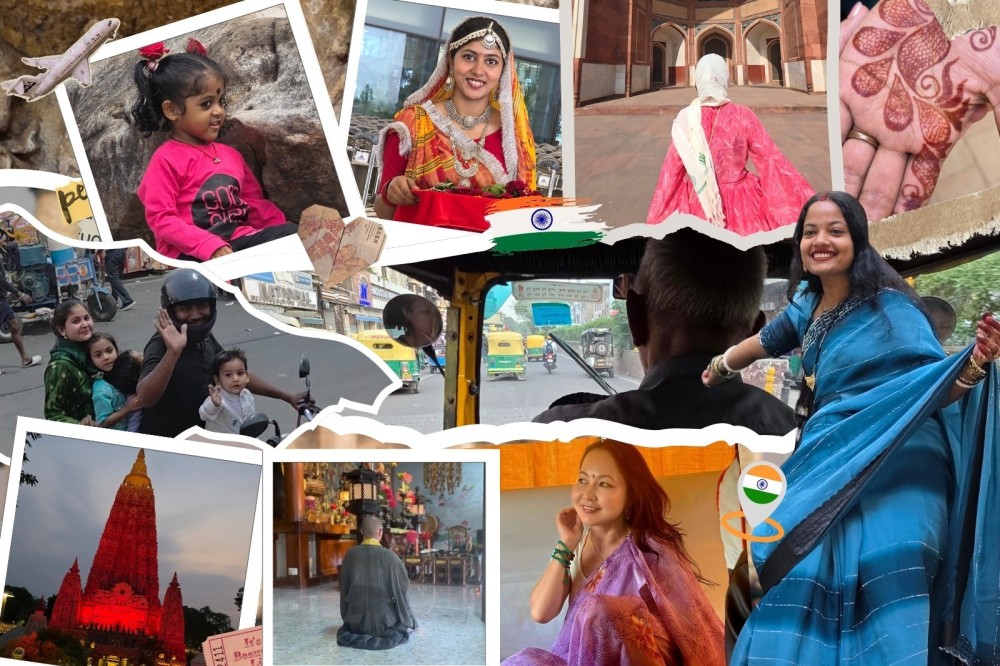
Soaking in the simple rhythm of Indian life, a simple yet magical journey through space and time...
Sharing impressions from a journey filled with wonder, emotion, and discovery
Stepping into India is not merely a change of geographical location. It feels as if a gateway to another “world” quietly opens before you. This is a unified realm where thousands of years of history, culture, and religious belief have layered upon one another. Foreign visitors often experience something difficult to define, yet commonly felt. It is as if past and present, the tangible world and invisible belief systems, all coexist at once. Crossing into this space feels like entering a threshold that opens an inner world within each person.
Over the course of ten days, I lived through a time and space filled with adventure, curiosity, emotion, and quiet introspection. At times it felt overwhelming—hot, crowded, and breathless—yet within that intensity, I discovered a growing sense of calm and clarity within myself. During this journey, I tasted famous street food, wore a sari, ate with my hands, and tried to experience as much of the local culture as possible, as if I had stepped into an unfamiliar yet enchanting small town full of life.
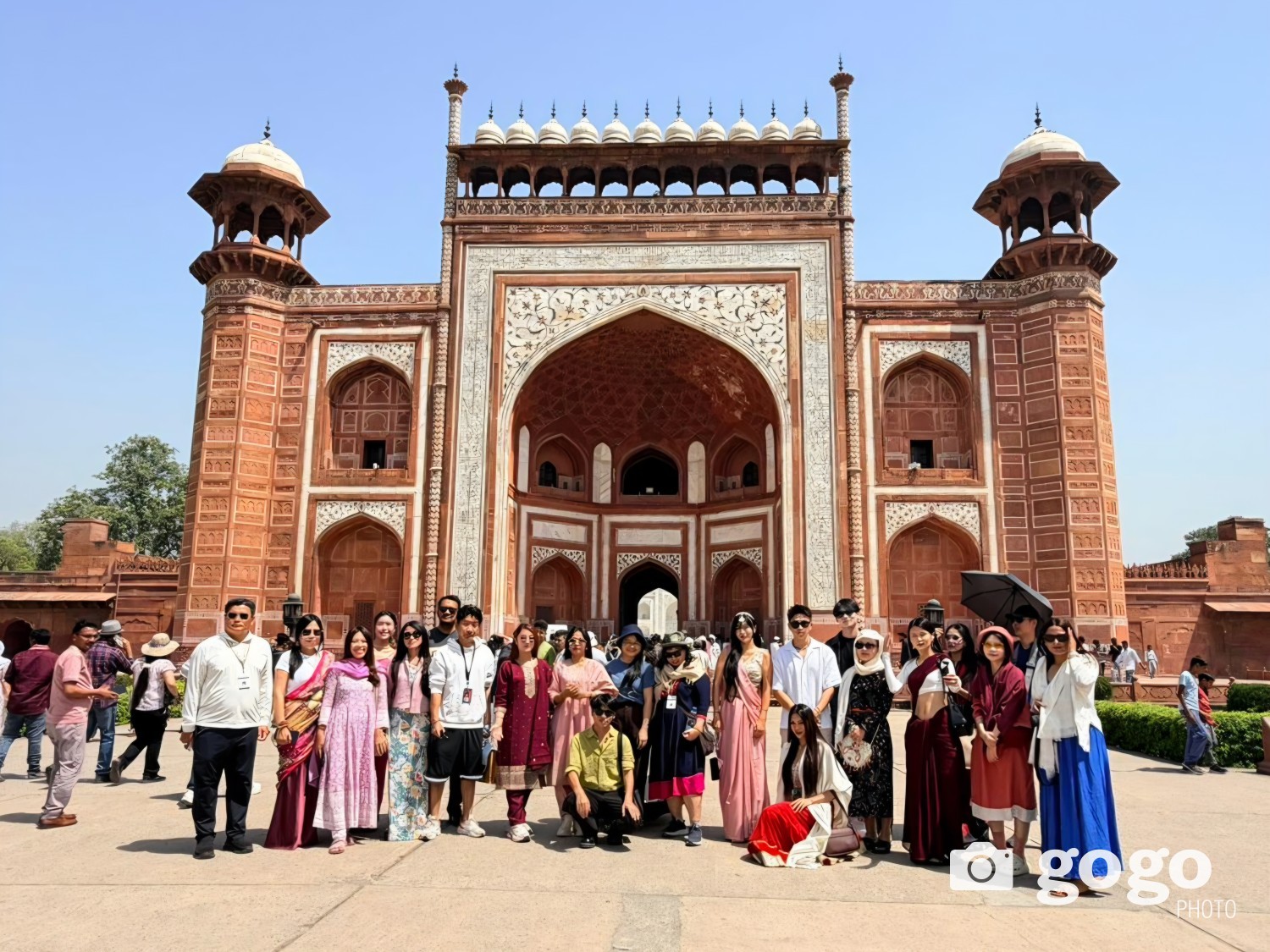
The Familiarization Visit for Content Creators is an annual program organized by the Ministry of External Affairs of India. This time, 22 content creators from 10 Southeast Asian countries—including Mongolia, Bhutan, Cambodia, Laos, Malaysia, Myanmar, Nepal, Singapore, Thailand, and Vietnam—traveled across Odisha (Bhubaneswar), Bihar (Bodh Gaya), and Delhi, exploring historical landmarks and urban life.
Rather than listing everything we saw, I would like to share only the most memorable impressions.
The Beauty of Women and the Innocence of Children
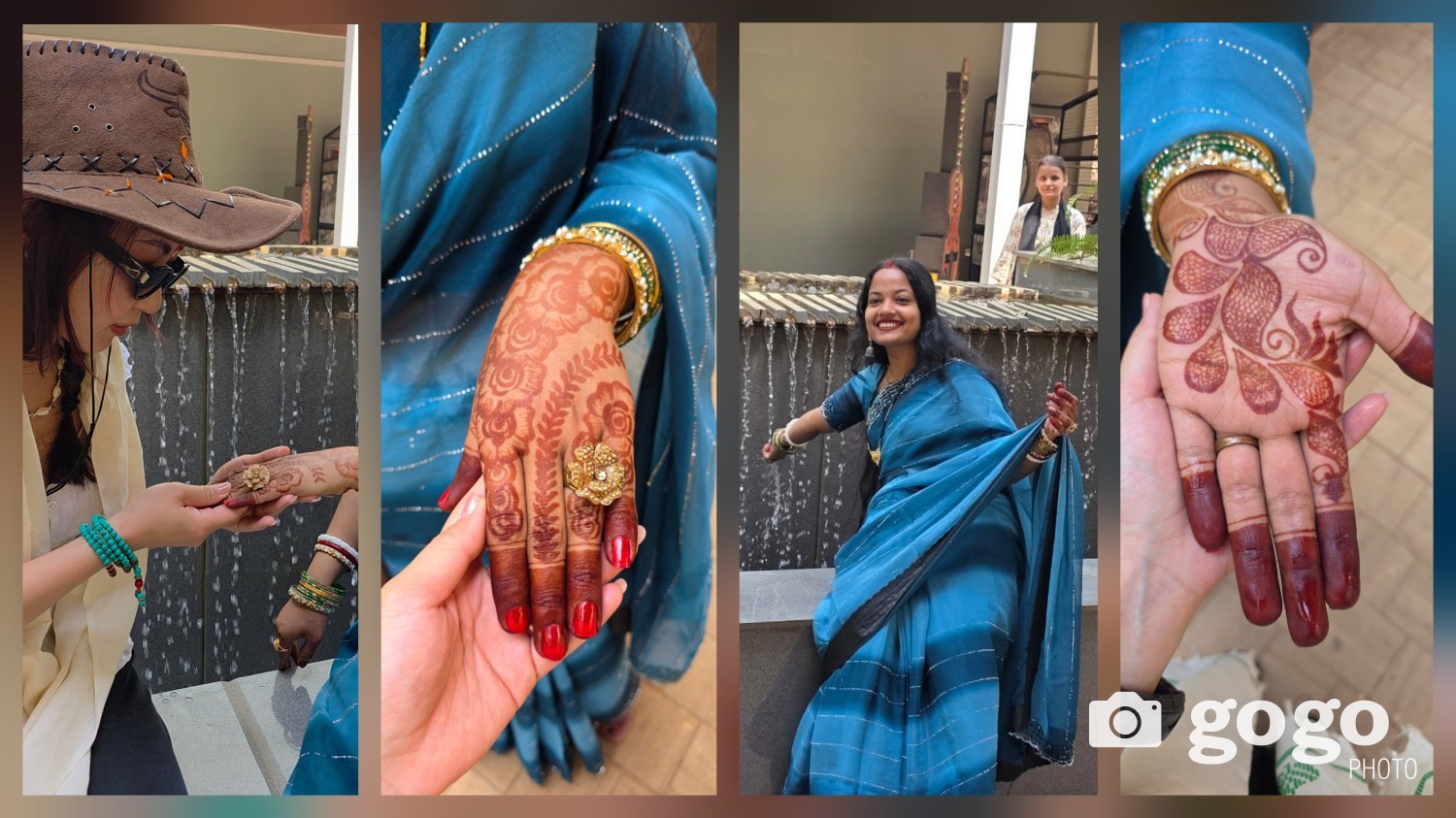
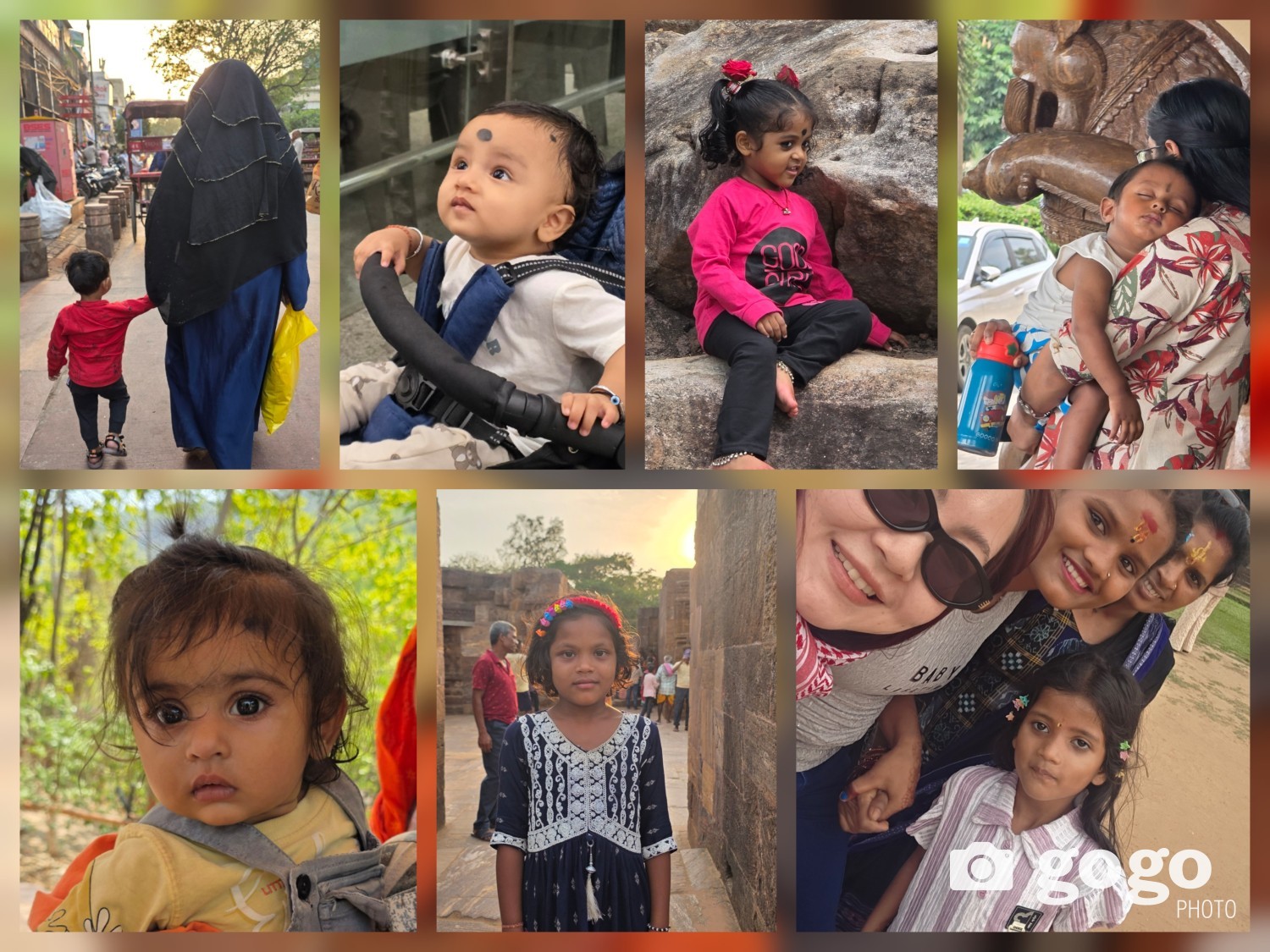
India feels like a land with a sacred aura. The people are warm, spiritual, joyful, and full of life. I was especially struck by the beauty of the women and the charm of the children.
Children sleeping in their mothers’ arms, with bindis on their foreheads, looked like little Buddhas in peaceful rest. Women adorned with henna patterns, elegant jewelry, and sparkling bangles carried a presence reminiscent of Bollywood heroines—their bright smiles adding even more radiance to their appearance.
With a population now exceeding 1.4 billion, India has become the most populous country in the world, surpassing China in 2023. Walking through the streets, this becomes immediately evident. Crowds fill every corner, and the sounds of people, vehicles, and life itself blend into a continuous rhythm.
Tuk-tuks, motorcycles, and cars move through the streets, honking constantly—not out of anger, but as a form of communication meaning “I am passing.” Surprisingly, there is little hostility; even in congestion, people remain relatively calm. I found myself reflecting that perhaps religious teachings and cultural habits encourage this sense of patience and restraint, especially under the intense +40°C heat.
It was also wedding season, and celebrations filled the streets with music and joy. Couples invited us warmly to join their festivities, waving from afar. Unfortunately, our schedule did not allow us to participate.
Bodh Gaya — The Place Where Buddha Attained Enlightenment
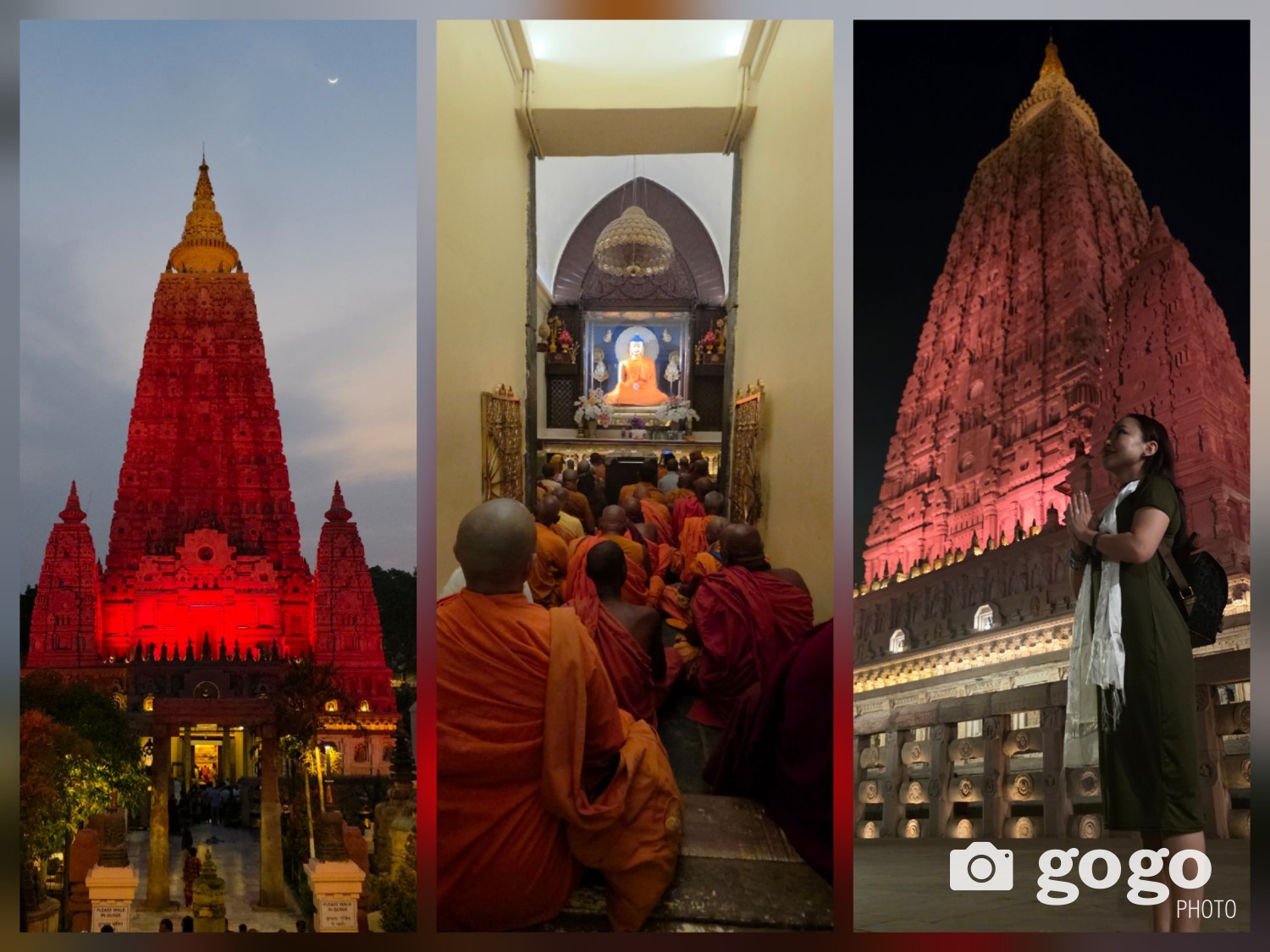
India is one of the most religiously diverse countries in the world. Major religions such as Hinduism, Islam, Christianity, Sikhism, Buddhism, and Jainism coexist peacefully, each with its own places of worship.
Bodh Gaya, located in Bihar, is one of the holiest pilgrimage sites in Buddhism. It is believed that Siddhartha Gautama attained enlightenment here beneath the Bodhi tree, becoming the Buddha after 49 days of meditation in the 6th century BCE.
The magnificent Mahabodhi Temple, a UNESCO World Heritage Site, stands as the central monument of this sacred place. Illuminated at night, it becomes even more breathtaking. As one of the four major Buddhist pilgrimage sites, it attracts practitioners from around the world, some of whom meditate here for days or even weeks.
Nearby, monasteries from countries such as Mongolia, Japan, Thailand, Tibet, and Myanmar stand together, where monks continue their teachings and chanting.
It is interesting to note that over 6,000 Mongolians travel to India annually, with more than 60% visiting for religious or health-related purposes.
The sacred Mahabodhi Tree still grows in the same place where Buddha is believed to have attained enlightenment. Its branches are supported by pillars as it continues to expand. Leaves that fall from this tree are considered sacred; people keep them as blessings or offer them as gifts. We were also given such leaves as souvenirs.
The Sun Temple That Represents the Rhythm of the Universe

The Konark Sun Temple, located in Odisha, is dedicated to Surya, the Sun God. Built in the 13th century under King Narasimhadeva I, the temple is designed not just as a structure, but as a massive stone chariot.
It is depicted as being pulled by seven horses, with 24 enormous stone wheels symbolizing time and the movement of the universe. The intricate carvings on its walls depict daily life, culture, and religious beliefs of that era with remarkable detail.
Today, it is a UNESCO World Heritage Site and considered one of the masterpieces of Indian architecture and art. Standing there, one can deeply feel the intellectual and aesthetic brilliance of ancient civilization.
The Taj Mahal — One of the Wonders of the World
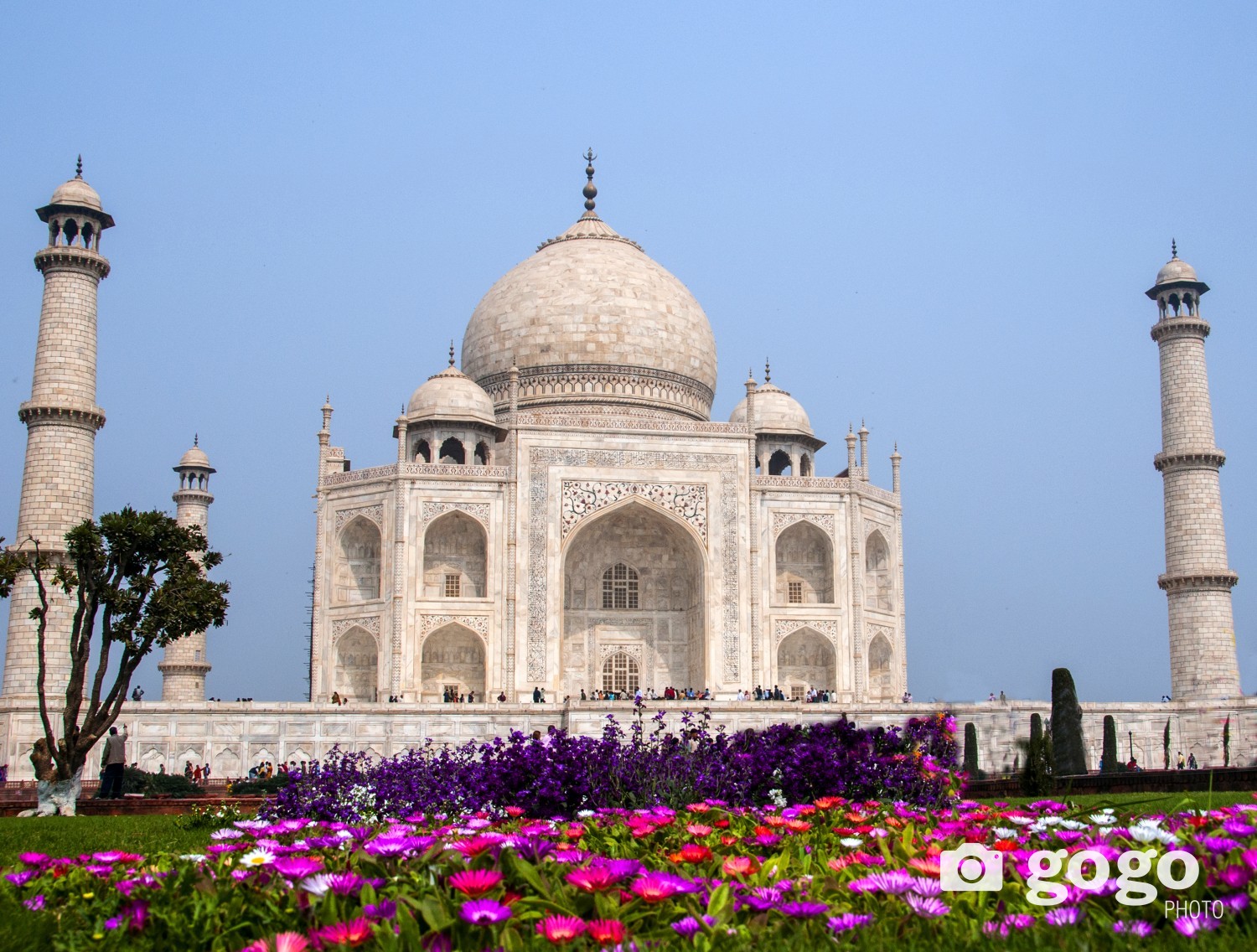
No visitor to India would miss the chance to see the Taj Mahal, one of the Seven Wonders of the World.
Built between 1632 and 1653 by Mughal Emperor Shah Jahan in memory of his beloved wife, it stands as a symbol of eternal love. His wife passed away while giving birth to their 14th child at the age of 38, and in grief, the emperor commissioned this magnificent monument.
Swaminarayan Akshardham Temple — A Temple of Divine Life
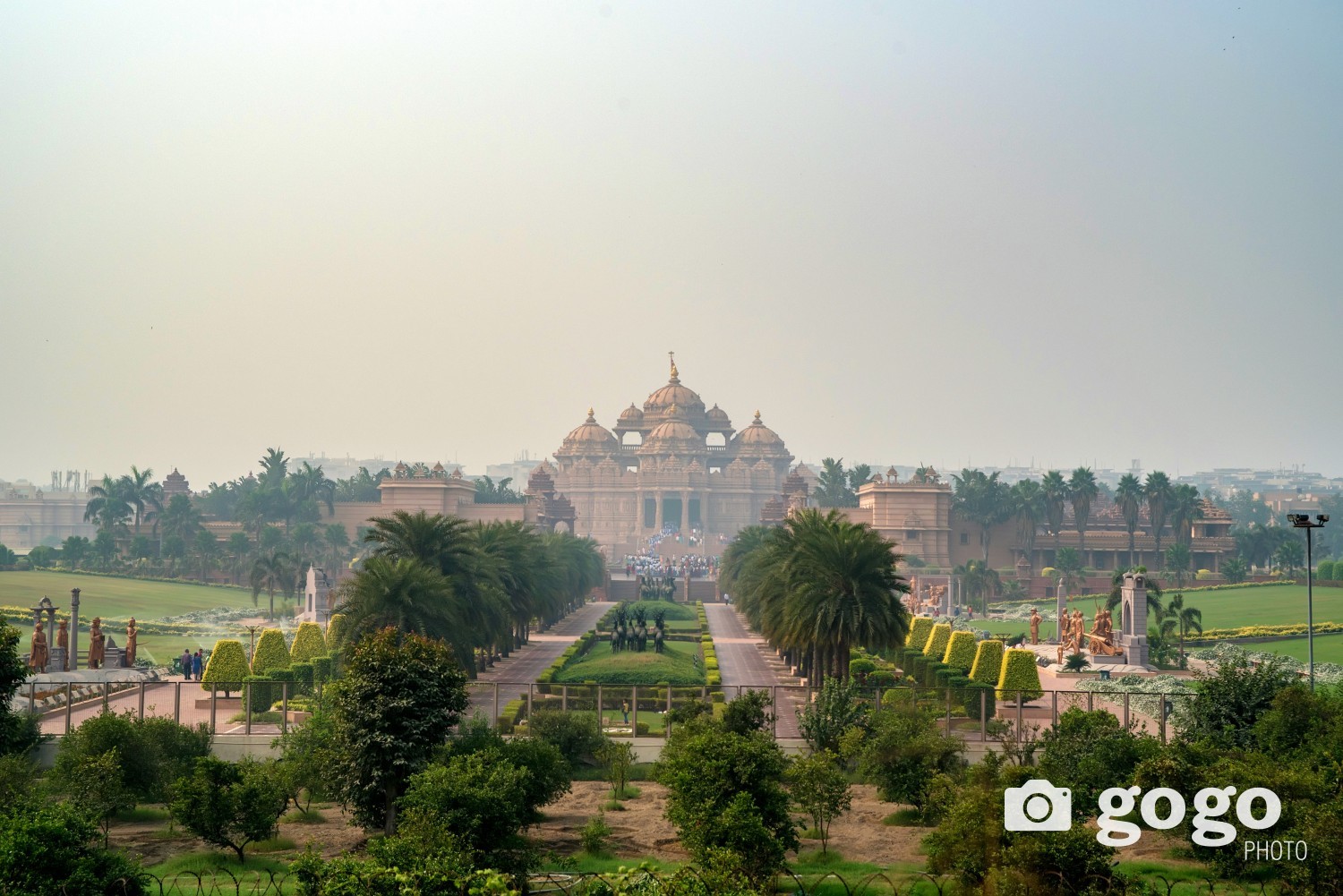
The Swaminarayan Akshardham Temple in New Delhi is one of the most astonishing modern Hindu temples.
“Akshardham” means the eternal divine abode. Built in the early 2000s and opened in 2005, it blends ancient Indian craftsmanship with modern architecture. Made of pink sandstone and white marble, its intricate carvings make it not only a place of worship but also a masterpiece of art.
The temple also functions as a cultural and philosophical exhibition space, showcasing India’s history and spiritual traditions. At night, illuminated against the sky, it becomes even more majestic.
Families visit together, and children enjoy water shows and storytelling performances that explain spiritual teachings in simple ways.
The Great Buddha Statue
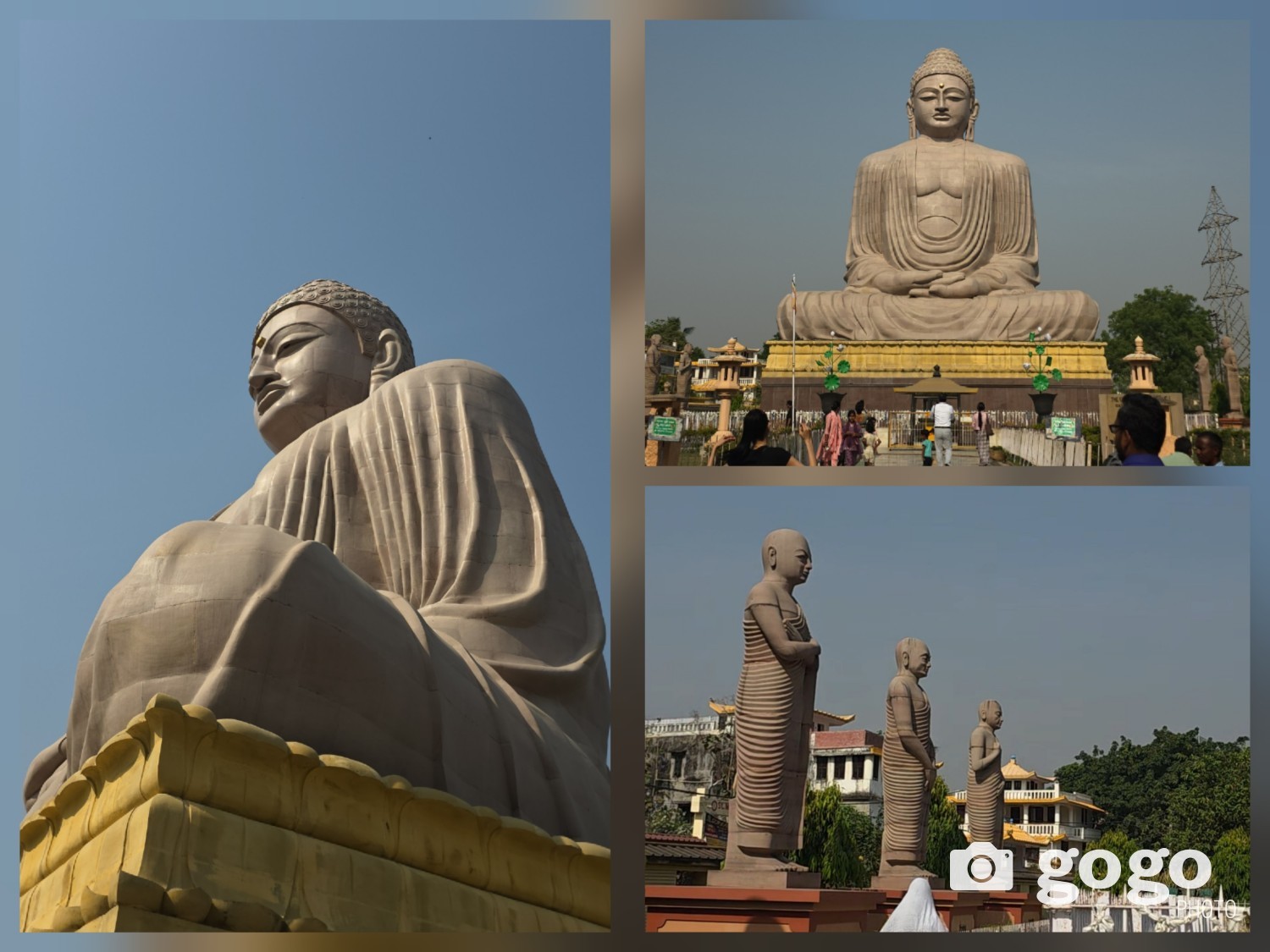
The Great Buddha Statue in Bodh Gaya is a majestic representation of Buddha in a state of deep meditation.
Standing about 25 meters tall, it was completed in 1989 with support from Japanese Buddhist organizations. Surrounding the statue are ten smaller statues representing Buddha’s disciples.
Located near the Mahabodhi Temple, this site is not just a tourist attraction but a deeply spiritual place where silence, prayer, and meditation create a powerful atmosphere.
Raghurajpur — A Living Gallery Village
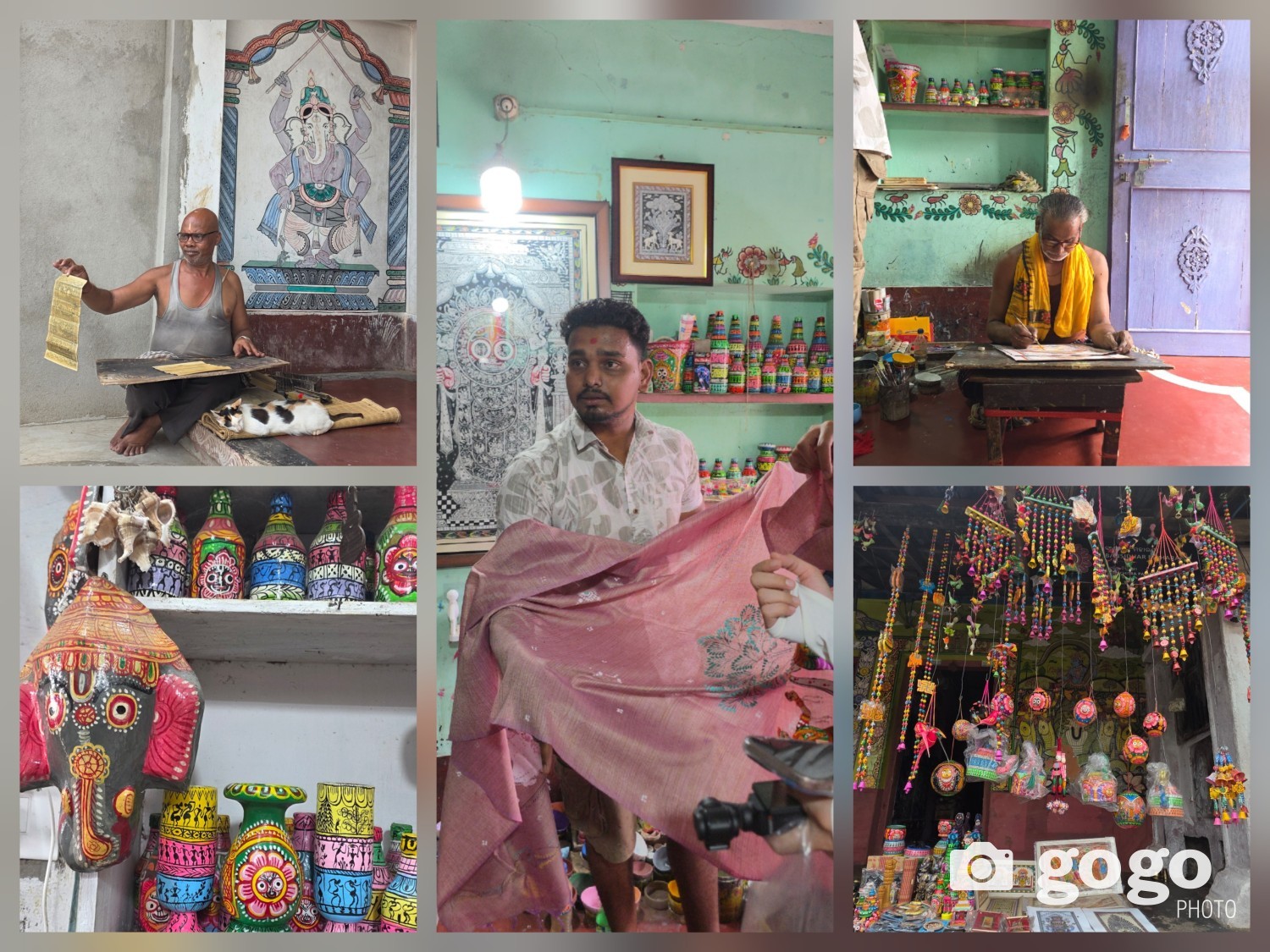
Raghurajpur, located near Puri in Odisha, is a unique heritage village known worldwide for its art.
Nearly every household is home to an artist. With over 100 families living there, most are traditional painters who have inherited their craft through generations.
Their most famous art form is Pattachitra, a detailed traditional painting made using natural colors on cloth or palm leaves, often depicting mythological and religious themes.
What makes this village special is that it feels like walking through a living gallery—every wall, street, and home is covered in color, pattern, and creativity. Art is not separate from life; it is life itself.
These places represent only a part of the journey we experienced. As mentioned earlier, I have shared only the most striking impressions to respect both your time and mine. In conclusion, this journey allowed me to step into the doorway of a vast civilization—immersing myself in the rhythm of everyday life, and traveling through spaces that feel both ordinary and magical at the same time.
Soaking in the simple rhythm of Indian life, a simple yet magical journey through space and time...
Sharing impressions from a journey filled with wonder, emotion, and discovery
Stepping into India is not merely a change of geographical location. It feels as if a gateway to another “world” quietly opens before you. This is a unified realm where thousands of years of history, culture, and religious belief have layered upon one another. Foreign visitors often experience something difficult to define, yet commonly felt. It is as if past and present, the tangible world and invisible belief systems, all coexist at once. Crossing into this space feels like entering a threshold that opens an inner world within each person.
Over the course of ten days, I lived through a time and space filled with adventure, curiosity, emotion, and quiet introspection. At times it felt overwhelming—hot, crowded, and breathless—yet within that intensity, I discovered a growing sense of calm and clarity within myself. During this journey, I tasted famous street food, wore a sari, ate with my hands, and tried to experience as much of the local culture as possible, as if I had stepped into an unfamiliar yet enchanting small town full of life.
The Familiarization Visit for Content Creators is an annual program organized by the Ministry of External Affairs of India. This time, 22 content creators from 10 Southeast Asian countries—including Mongolia, Bhutan, Cambodia, Laos, Malaysia, Myanmar, Nepal, Singapore, Thailand, and Vietnam—traveled across Odisha (Bhubaneswar), Bihar (Bodh Gaya), and Delhi, exploring historical landmarks and urban life.
Rather than listing everything we saw, I would like to share only the most memorable impressions.
The Beauty of Women and the Innocence of Children
India feels like a land with a sacred aura. The people are warm, spiritual, joyful, and full of life. I was especially struck by the beauty of the women and the charm of the children.
Children sleeping in their mothers’ arms, with bindis on their foreheads, looked like little Buddhas in peaceful rest. Women adorned with henna patterns, elegant jewelry, and sparkling bangles carried a presence reminiscent of Bollywood heroines—their bright smiles adding even more radiance to their appearance.
With a population now exceeding 1.4 billion, India has become the most populous country in the world, surpassing China in 2023. Walking through the streets, this becomes immediately evident. Crowds fill every corner, and the sounds of people, vehicles, and life itself blend into a continuous rhythm.
Tuk-tuks, motorcycles, and cars move through the streets, honking constantly—not out of anger, but as a form of communication meaning “I am passing.” Surprisingly, there is little hostility; even in congestion, people remain relatively calm. I found myself reflecting that perhaps religious teachings and cultural habits encourage this sense of patience and restraint, especially under the intense +40°C heat.
It was also wedding season, and celebrations filled the streets with music and joy. Couples invited us warmly to join their festivities, waving from afar. Unfortunately, our schedule did not allow us to participate.
Bodh Gaya — The Place Where Buddha Attained Enlightenment
India is one of the most religiously diverse countries in the world. Major religions such as Hinduism, Islam, Christianity, Sikhism, Buddhism, and Jainism coexist peacefully, each with its own places of worship.
Bodh Gaya, located in Bihar, is one of the holiest pilgrimage sites in Buddhism. It is believed that Siddhartha Gautama attained enlightenment here beneath the Bodhi tree, becoming the Buddha after 49 days of meditation in the 6th century BCE.
The magnificent Mahabodhi Temple, a UNESCO World Heritage Site, stands as the central monument of this sacred place. Illuminated at night, it becomes even more breathtaking. As one of the four major Buddhist pilgrimage sites, it attracts practitioners from around the world, some of whom meditate here for days or even weeks.
Nearby, monasteries from countries such as Mongolia, Japan, Thailand, Tibet, and Myanmar stand together, where monks continue their teachings and chanting.
It is interesting to note that over 6,000 Mongolians travel to India annually, with more than 60% visiting for religious or health-related purposes.
The sacred Mahabodhi Tree still grows in the same place where Buddha is believed to have attained enlightenment. Its branches are supported by pillars as it continues to expand. Leaves that fall from this tree are considered sacred; people keep them as blessings or offer them as gifts. We were also given such leaves as souvenirs.
The Sun Temple That Represents the Rhythm of the Universe
The Konark Sun Temple, located in Odisha, is dedicated to Surya, the Sun God. Built in the 13th century under King Narasimhadeva I, the temple is designed not just as a structure, but as a massive stone chariot.
It is depicted as being pulled by seven horses, with 24 enormous stone wheels symbolizing time and the movement of the universe. The intricate carvings on its walls depict daily life, culture, and religious beliefs of that era with remarkable detail.
Today, it is a UNESCO World Heritage Site and considered one of the masterpieces of Indian architecture and art. Standing there, one can deeply feel the intellectual and aesthetic brilliance of ancient civilization.
The Taj Mahal — One of the Wonders of the World
No visitor to India would miss the chance to see the Taj Mahal, one of the Seven Wonders of the World.
Built between 1632 and 1653 by Mughal Emperor Shah Jahan in memory of his beloved wife, it stands as a symbol of eternal love. His wife passed away while giving birth to their 14th child at the age of 38, and in grief, the emperor commissioned this magnificent monument.
Swaminarayan Akshardham Temple — A Temple of Divine Life
The Swaminarayan Akshardham Temple in New Delhi is one of the most astonishing modern Hindu temples.
“Akshardham” means the eternal divine abode. Built in the early 2000s and opened in 2005, it blends ancient Indian craftsmanship with modern architecture. Made of pink sandstone and white marble, its intricate carvings make it not only a place of worship but also a masterpiece of art.
The temple also functions as a cultural and philosophical exhibition space, showcasing India’s history and spiritual traditions. At night, illuminated against the sky, it becomes even more majestic.
Families visit together, and children enjoy water shows and storytelling performances that explain spiritual teachings in simple ways.
The Great Buddha Statue
The Great Buddha Statue in Bodh Gaya is a majestic representation of Buddha in a state of deep meditation.
Standing about 25 meters tall, it was completed in 1989 with support from Japanese Buddhist organizations. Surrounding the statue are ten smaller statues representing Buddha’s disciples.
Located near the Mahabodhi Temple, this site is not just a tourist attraction but a deeply spiritual place where silence, prayer, and meditation create a powerful atmosphere.
Raghurajpur — A Living Gallery Village
Raghurajpur, located near Puri in Odisha, is a unique heritage village known worldwide for its art.
Nearly every household is home to an artist. With over 100 families living there, most are traditional painters who have inherited their craft through generations.
Their most famous art form is Pattachitra, a detailed traditional painting made using natural colors on cloth or palm leaves, often depicting mythological and religious themes.
What makes this village special is that it feels like walking through a living gallery—every wall, street, and home is covered in color, pattern, and creativity. Art is not separate from life; it is life itself.
These places represent only a part of the journey we experienced. As mentioned earlier, I have shared only the most striking impressions to respect both your time and mine. In conclusion, this journey allowed me to step into the doorway of a vast civilization—immersing myself in the rhythm of everyday life, and traveling through spaces that feel both ordinary and magical at the same time.