

Funded by the European Union’s SWITCH-Asia II program, the SOAP II (Switch Off Air Pollution in Mongolian cities) project was successfully implemented between 2022 and 2026, helping thousands of Mongolian households improve the comfort and energy performance of their homes while contributing to cleaner air and lower greenhouse gas emissions.
For many families living in Mongolian’s ger areas, winter has long meant cold homes, high heating costs, and severe air pollution. Through improved home insulation and practical energy efficiency solutions, the project has helped transform these conditions. Thousands of households now live in warmer, healthier homes while consuming less fuel and energy.
Beyond household improvements, SOAP II adopted a comprehensive market development approach. The project strengthened technical capacity across the insulation sector, expanded access to green finance, supported the development of insulation businesses, introduced innovative energy-efficient technologies, and worked closely with government and private-sector partners to create an enabling environment for retrofitting detached homes.
According to Mongolia’s National Statistics Office, nearly 200,000 households - almost half of all households in Ulaanbaatar - live in ger areas, where household heating remains one of the city’s largest sources of winter air pollution. In this context, SOAP II demonstrated that improving the thermal performance of detached houses is one of the most effective ways to reduce fuel consumption, improve living conditions, lower greenhouse gas emissions, and contribute to cleaner urban air.
Over its four-year implementation, the project trained over than 250 insulation brigades, supported the insulation of 4,850 detached houses, and helped prevent approximately 20,000 tonnes of greenhouse gas emissions, laying a strong foundation for scaling up energy-efficient housing across Mongolia.
- Building a skilled insulation workforce
When the project began, Mongolia had a limited number of qualified insulation professionals, and no standardized training system existed for detached house retrofits. As a result, many households attempted to solve heating problems by installing larger stoves or increasing fuel consumption instead of reducing heat loss.
SOAP II addressed this gap by developing a comprehensive capacity-building programme for insulation professionals. Over than 250 insulation brigades completed technical training covering insulation technologies, occupational health and safety, waste management, marketing, sales, and business development.
Today, these trained professionals are equipped to deliver high-quality, standards-compliant insulation services, strengthening Mongolia's growing energy-efficiency market while creating more stable employment opportunities throughout the year.
"By participating in the project, I not only learned insulation technology but also gained practical experience and built valuable professional connections. Construction workers now have an opportunity to earn a more stable income that is less dependent on seasonal work."
– D. Nyamgerel, Insulation Advisor
-121058-519144712.jpeg)
2. Empowering households through the “Simple solutions” campaign
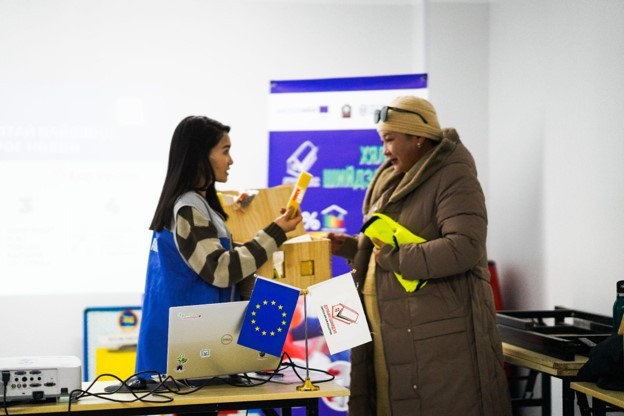
Although full home insulation provides substantial energy savings, the initial investment can be difficult for many families. To help households take immediate action, SOAP II launched the Simple Solutions Campaign, promoting affordable, easy-to-implement insulation measures that residents could carry out themselves.
The campaign combined community training, practical demonstrations, printed manuals, online resources, and peer-to-peer learning. Participants learned how to identify heat loss and improve the insulation of windows, doors, floors, walls, roofs, and chimneys using locally available, low-cost materials. To encourage community ownership, trained households shared their knowledge with neighbouring families, creating a multiplier effect that expanded the campaign's reach.
The project developed 14 simple insulation solutions capable of reducing household heat loss by up to 16% when implemented together. Through this initiative, 4,481 households adopted energy-saving improvements, while 660 households received roof insulation support, allowing families to experience the benefits of proper insulation firsthand.
"After insulating our windows, chimney and doors, the difference was immediate. Our home became warmer, cleaner and much more comfortable."
– Resident, Chingeltei District
3. Demonstrating the future of Energy-efficient housing
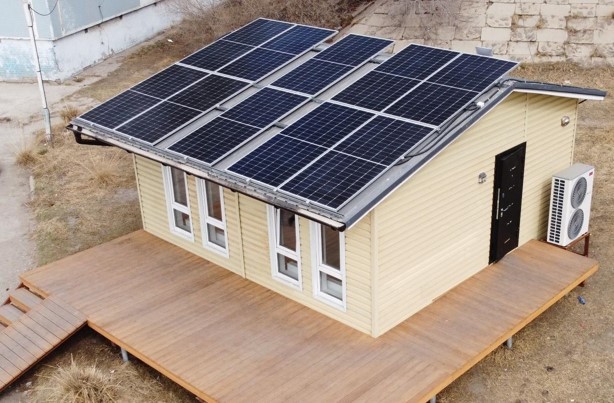
SOAP II also looked beyond retrofitting existing homes by showcasing what future energy-efficient housing can achieve. The project designed and constructed a Nearly Zero Energy Building (nZEB) demonstration house at the Mongolian University of Science and Technology. Designed to minimize energy demand, the building combines high-performance insulation with renewable energy technologies, including a heat pump, rooftop solar photovoltaic system, battery storage, and thermal energy storage.
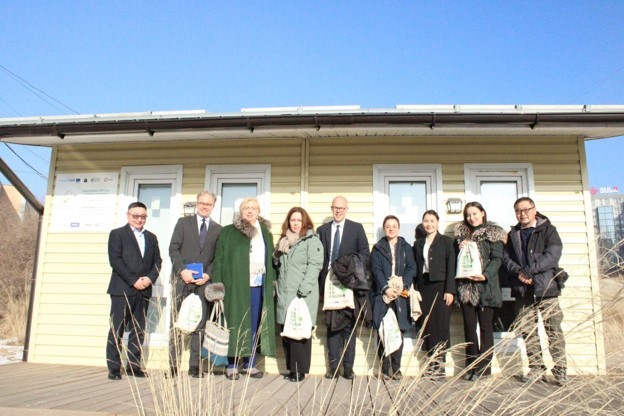
The demonstration house serves as a learning center for homeowners, students, researchers, policymakers, and construction professionals interested in sustainable housing technologies.
During the project, 1,003 visitors toured the facility to learn about energy-efficient building design and renewable energy solutions. The demonstration has already inspired replication, with one house constructed in Zavkhan Province using the project's design blueprint.
4. Testing Renewable Energy Solutions for Detached Houses
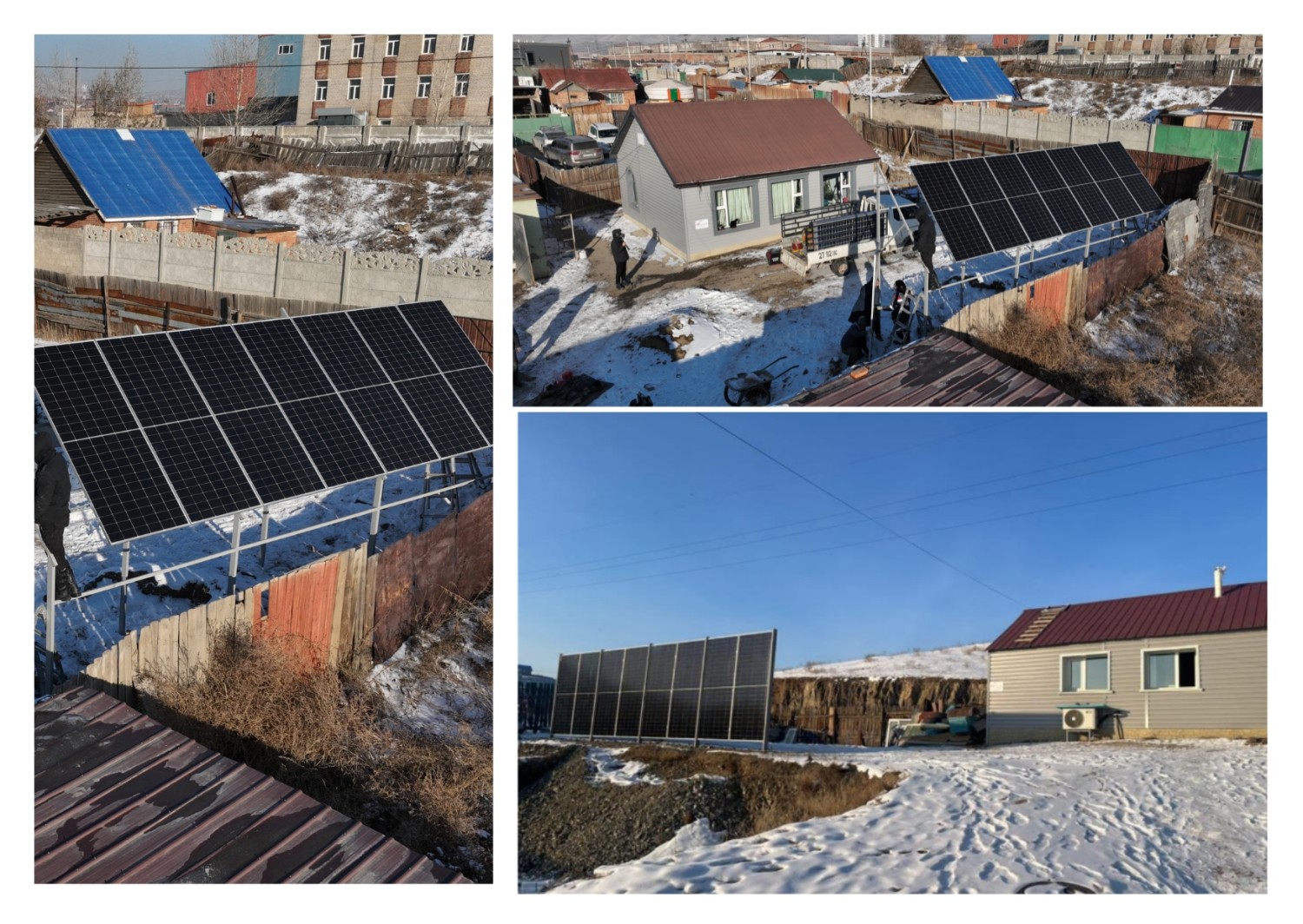
In partnership with private-sector companies (Ureca LLC and Bodi Properties LLC), SOAP II piloted renewable energy systems for detached houses to explore pathways toward low-carbon residential heating.
Two fully insulated homes were equipped with rooftop solar photovoltaic systems and heat pumps. Their energy performance was monitored to assess system efficiency under Mongolian climatic conditions.
The pilot demonstrated that renewable energy technologies perform significantly better when installed in well-insulated houses, reinforcing the importance of combining energy efficiency with clean energy solutions.
5. Expanding Success Beyond Ulaanbaatar
Recognizing that air pollution and inefficient housing are challenges across Mongolia, SOAP II expanded its activities to Darkhan-Uul Province, where project approaches were successfully adapted to local conditions.
Approximately 30 insulation brigades were trained, and over than 100 households completed insulation improvements. The experience confirmed that the project's methodologies can be replicated outside the capital and provided valuable lessons for future expansion.
To support nationwide scaling, the project also developed a comprehensive Toolbox containing technical guidance, implementation methodologies, and best practices for detached-house insulation. These resources are now available to support local governments and organizations interested in implementing similar programs.
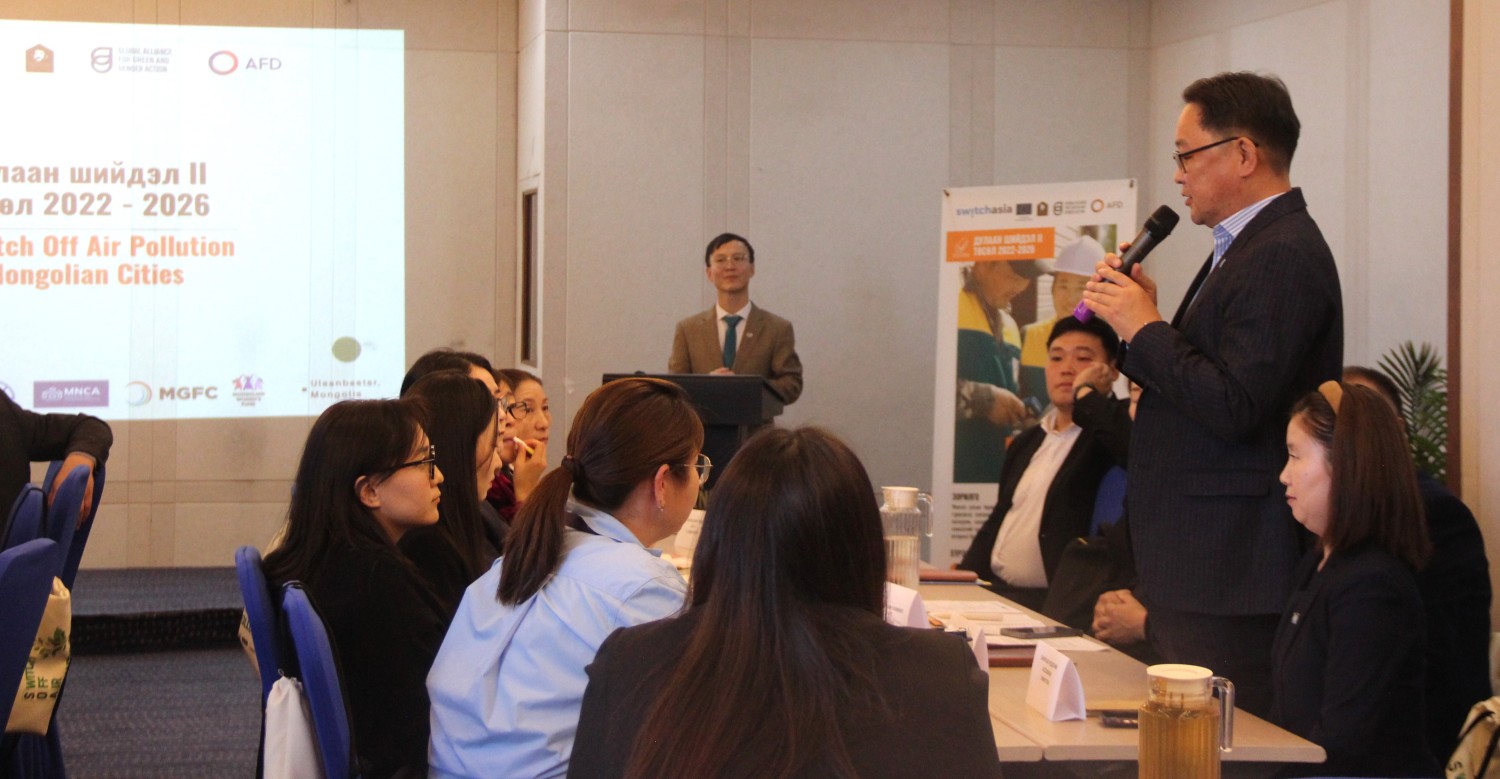
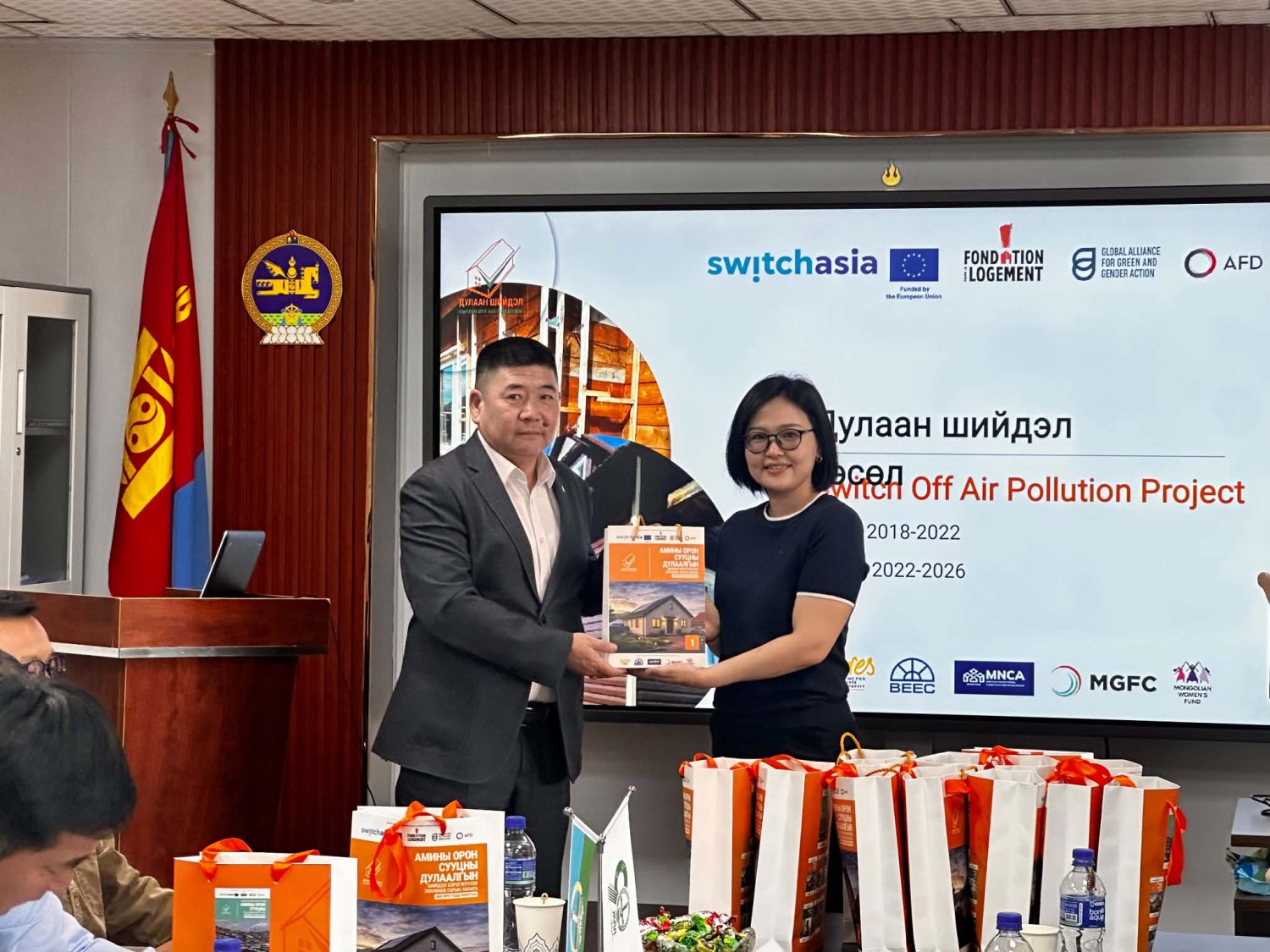
The “SOAP II” project, implemented over a four-year period, has not only reduced heat loss in detached houses, but has also made a significant contribution to developing the insulation market in Mongolia, increasing access to green financing for the public.
The main results of the project can be summarized as follows:
- A multi-stakeholder cooperation system has been established. During the project implementation, extensive cooperation was carried out with government agencies, public organizations, and the private sector. The participation of organizations such as the Ministry of Urban Development, Construction, and Housing, the Ministry of Environment and Climate Change, the governors' offices of the capital, districts, and provinces /aimags/, the National Committee for Air Pollution Reduction, and the Energy Regulatory Commission played an important role in increasing the effectiveness of the project.
- Increased access to green financing. While insulation services are cost-effective in the long term, high initial investment costs have been a major challenge for citizens. To address this, the project developed green loan products in collaboration with five banks and three non-banking financial institutions, creating accessible financing opportunities. The project also partnered with NBFIs to offer loan products with an annual interest rate of 6%, making insulation services more attainable for households.
- The project team increased the capacity of financial institutions. An online learning platform on the topic “Insulating detached houses: Green Financing” was developed and published on dulaalga.mn for employees of banks and non-bank financial institutions. See here. This allows employees of financial institutions who work closest to consumers to provide accurate information about green loans and support citizens in choosing the right financial solution.
- SOAP II organized a study tour to France and Belgium. The visit enabled Mongolian policymakers, financial institutions, and housing sector stakeholders to explore European experiences in energy-efficient housing retrofits and financing mechanisms. This exchange provided valuable insights to address Mongolia’s challenges, particularly in ger areas, and opened new opportunities for collaboration to scale up retrofitting, reduce air pollution, and cut greenhouse gas emissions; it also served as the basis for the establishment of the “Clean Air” working group.
- The SOAP II project is not limited to its planned activities; it also supports other initiatives that encourage insulation and energy efficiency and expand collaboration. The project team participated in the “Dulaan Baatar” campaign that was implemented in 9 districts of the capital, providing training and information to citizens regarding the importance of insulation and choosing the right materials and methods. The project also organized information and recommendations to increase citizens’ knowledge and understanding in collaboration with the Information sector of Detached House and the Air and Environmental Pollution Reduction Department. In addition, it supported the “Dulaalya” campaign implemented by the Chingeltei District Governor’s Office, providing energy audit certificates to households that have insulated their homes, and evaluating the actual energy savings achieved as a result of insulation.
-121345-1927704319.jpeg)
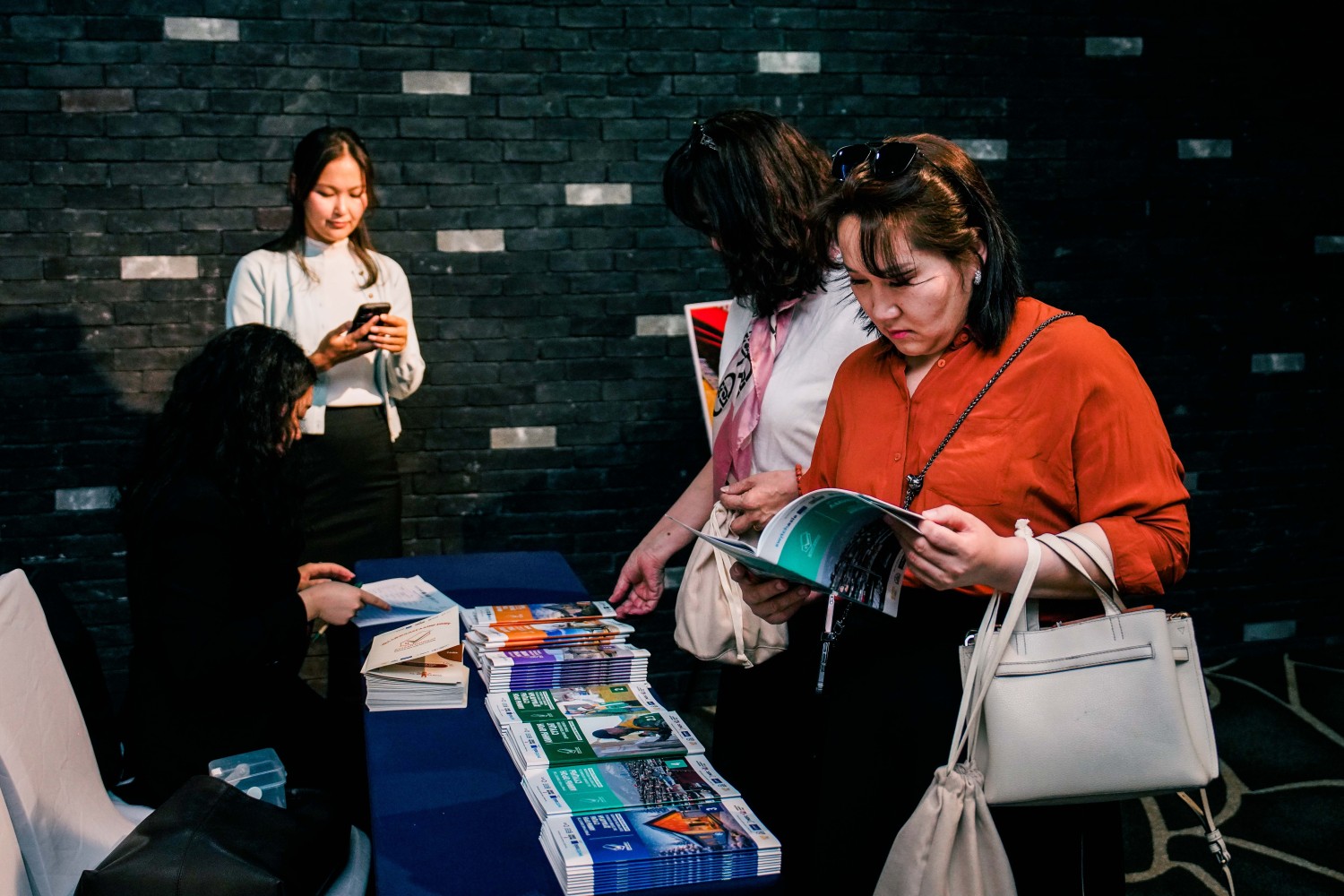
The success of the SOAP II project was made possible through the commitment and collaboration of many partners. We sincerely thank the European Union's SWITCH-Asia II Programme, Fondation pour le Logement des Défavorisés, the Global Alliance for Green and Gender Action (GAGGA), and the French Development Agency (AFD) for their generous financial support and continued commitment to promoting sustainable, energy-efficient housing in Mongolia.
We also extend our heartfelt appreciation to the project's lead implementing organization, GERES, and its implementing partners—the Building Energy Efficiency Center (BEEC) of the Mongolian University of Science and Technology (MUST), the Mongolian National Construction Association (MNCA), the Mongolian Women's Fund (MONES), and the Mongolian Green Finance Corporation (MGFC). Their technical expertise, dedication, and close collaboration were instrumental in delivering the project's achievements and creating lasting impact.
Together, these partnerships have established a strong foundation for scaling up energy-efficient housing retrofits in Mongolia. By strengthening the insulation market, expanding access to green finance, building technical capacity, and supporting evidence-based policies, SOAP II has helped reduce heat loss, improve energy efficiency, lower greenhouse gas emissions, and advance Mongolia's green transition.
Watch the project video to discover how SOAP II is helping create warmer homes, cleaner air, and a more sustainable future for Mongolia here.
Funded by the European Union’s SWITCH-Asia II program, the SOAP II (Switch Off Air Pollution in Mongolian cities) project was successfully implemented between 2022 and 2026, helping thousands of Mongolian households improve the comfort and energy performance of their homes while contributing to cleaner air and lower greenhouse gas emissions.
For many families living in Mongolian’s ger areas, winter has long meant cold homes, high heating costs, and severe air pollution. Through improved home insulation and practical energy efficiency solutions, the project has helped transform these conditions. Thousands of households now live in warmer, healthier homes while consuming less fuel and energy.
Beyond household improvements, SOAP II adopted a comprehensive market development approach. The project strengthened technical capacity across the insulation sector, expanded access to green finance, supported the development of insulation businesses, introduced innovative energy-efficient technologies, and worked closely with government and private-sector partners to create an enabling environment for retrofitting detached homes.
According to Mongolia’s National Statistics Office, nearly 200,000 households - almost half of all households in Ulaanbaatar - live in ger areas, where household heating remains one of the city’s largest sources of winter air pollution. In this context, SOAP II demonstrated that improving the thermal performance of detached houses is one of the most effective ways to reduce fuel consumption, improve living conditions, lower greenhouse gas emissions, and contribute to cleaner urban air.
Over its four-year implementation, the project trained over than 250 insulation brigades, supported the insulation of 4,850 detached houses, and helped prevent approximately 20,000 tonnes of greenhouse gas emissions, laying a strong foundation for scaling up energy-efficient housing across Mongolia.
- Building a skilled insulation workforce
When the project began, Mongolia had a limited number of qualified insulation professionals, and no standardized training system existed for detached house retrofits. As a result, many households attempted to solve heating problems by installing larger stoves or increasing fuel consumption instead of reducing heat loss.
SOAP II addressed this gap by developing a comprehensive capacity-building programme for insulation professionals. Over than 250 insulation brigades completed technical training covering insulation technologies, occupational health and safety, waste management, marketing, sales, and business development.
Today, these trained professionals are equipped to deliver high-quality, standards-compliant insulation services, strengthening Mongolia's growing energy-efficiency market while creating more stable employment opportunities throughout the year.
"By participating in the project, I not only learned insulation technology but also gained practical experience and built valuable professional connections. Construction workers now have an opportunity to earn a more stable income that is less dependent on seasonal work."
– D. Nyamgerel, Insulation Advisor
2. Empowering households through the “Simple solutions” campaign
Although full home insulation provides substantial energy savings, the initial investment can be difficult for many families. To help households take immediate action, SOAP II launched the Simple Solutions Campaign, promoting affordable, easy-to-implement insulation measures that residents could carry out themselves.
The campaign combined community training, practical demonstrations, printed manuals, online resources, and peer-to-peer learning. Participants learned how to identify heat loss and improve the insulation of windows, doors, floors, walls, roofs, and chimneys using locally available, low-cost materials. To encourage community ownership, trained households shared their knowledge with neighbouring families, creating a multiplier effect that expanded the campaign's reach.
The project developed 14 simple insulation solutions capable of reducing household heat loss by up to 16% when implemented together. Through this initiative, 4,481 households adopted energy-saving improvements, while 660 households received roof insulation support, allowing families to experience the benefits of proper insulation firsthand.
"After insulating our windows, chimney and doors, the difference was immediate. Our home became warmer, cleaner and much more comfortable."
– Resident, Chingeltei District
3. Demonstrating the future of Energy-efficient housing
SOAP II also looked beyond retrofitting existing homes by showcasing what future energy-efficient housing can achieve. The project designed and constructed a Nearly Zero Energy Building (nZEB) demonstration house at the Mongolian University of Science and Technology. Designed to minimize energy demand, the building combines high-performance insulation with renewable energy technologies, including a heat pump, rooftop solar photovoltaic system, battery storage, and thermal energy storage.
The demonstration house serves as a learning center for homeowners, students, researchers, policymakers, and construction professionals interested in sustainable housing technologies.
During the project, 1,003 visitors toured the facility to learn about energy-efficient building design and renewable energy solutions. The demonstration has already inspired replication, with one house constructed in Zavkhan Province using the project's design blueprint.
4. Testing Renewable Energy Solutions for Detached Houses
In partnership with private-sector companies (Ureca LLC and Bodi Properties LLC), SOAP II piloted renewable energy systems for detached houses to explore pathways toward low-carbon residential heating.
Two fully insulated homes were equipped with rooftop solar photovoltaic systems and heat pumps. Their energy performance was monitored to assess system efficiency under Mongolian climatic conditions.
The pilot demonstrated that renewable energy technologies perform significantly better when installed in well-insulated houses, reinforcing the importance of combining energy efficiency with clean energy solutions.
5. Expanding Success Beyond Ulaanbaatar
Recognizing that air pollution and inefficient housing are challenges across Mongolia, SOAP II expanded its activities to Darkhan-Uul Province, where project approaches were successfully adapted to local conditions.
Approximately 30 insulation brigades were trained, and over than 100 households completed insulation improvements. The experience confirmed that the project's methodologies can be replicated outside the capital and provided valuable lessons for future expansion.
To support nationwide scaling, the project also developed a comprehensive Toolbox containing technical guidance, implementation methodologies, and best practices for detached-house insulation. These resources are now available to support local governments and organizations interested in implementing similar programs.
The “SOAP II” project, implemented over a four-year period, has not only reduced heat loss in detached houses, but has also made a significant contribution to developing the insulation market in Mongolia, increasing access to green financing for the public.
The main results of the project can be summarized as follows:
- A multi-stakeholder cooperation system has been established. During the project implementation, extensive cooperation was carried out with government agencies, public organizations, and the private sector. The participation of organizations such as the Ministry of Urban Development, Construction, and Housing, the Ministry of Environment and Climate Change, the governors' offices of the capital, districts, and provinces /aimags/, the National Committee for Air Pollution Reduction, and the Energy Regulatory Commission played an important role in increasing the effectiveness of the project.
- Increased access to green financing. While insulation services are cost-effective in the long term, high initial investment costs have been a major challenge for citizens. To address this, the project developed green loan products in collaboration with five banks and three non-banking financial institutions, creating accessible financing opportunities. The project also partnered with NBFIs to offer loan products with an annual interest rate of 6%, making insulation services more attainable for households.
- The project team increased the capacity of financial institutions. An online learning platform on the topic “Insulating detached houses: Green Financing” was developed and published on dulaalga.mn for employees of banks and non-bank financial institutions. See here. This allows employees of financial institutions who work closest to consumers to provide accurate information about green loans and support citizens in choosing the right financial solution.
- SOAP II organized a study tour to France and Belgium. The visit enabled Mongolian policymakers, financial institutions, and housing sector stakeholders to explore European experiences in energy-efficient housing retrofits and financing mechanisms. This exchange provided valuable insights to address Mongolia’s challenges, particularly in ger areas, and opened new opportunities for collaboration to scale up retrofitting, reduce air pollution, and cut greenhouse gas emissions; it also served as the basis for the establishment of the “Clean Air” working group.
- The SOAP II project is not limited to its planned activities; it also supports other initiatives that encourage insulation and energy efficiency and expand collaboration. The project team participated in the “Dulaan Baatar” campaign that was implemented in 9 districts of the capital, providing training and information to citizens regarding the importance of insulation and choosing the right materials and methods. The project also organized information and recommendations to increase citizens’ knowledge and understanding in collaboration with the Information sector of Detached House and the Air and Environmental Pollution Reduction Department. In addition, it supported the “Dulaalya” campaign implemented by the Chingeltei District Governor’s Office, providing energy audit certificates to households that have insulated their homes, and evaluating the actual energy savings achieved as a result of insulation.
The success of the SOAP II project was made possible through the commitment and collaboration of many partners. We sincerely thank the European Union's SWITCH-Asia II Programme, Fondation pour le Logement des Défavorisés, the Global Alliance for Green and Gender Action (GAGGA), and the French Development Agency (AFD) for their generous financial support and continued commitment to promoting sustainable, energy-efficient housing in Mongolia.
We also extend our heartfelt appreciation to the project's lead implementing organization, GERES, and its implementing partners—the Building Energy Efficiency Center (BEEC) of the Mongolian University of Science and Technology (MUST), the Mongolian National Construction Association (MNCA), the Mongolian Women's Fund (MONES), and the Mongolian Green Finance Corporation (MGFC). Their technical expertise, dedication, and close collaboration were instrumental in delivering the project's achievements and creating lasting impact.
Together, these partnerships have established a strong foundation for scaling up energy-efficient housing retrofits in Mongolia. By strengthening the insulation market, expanding access to green finance, building technical capacity, and supporting evidence-based policies, SOAP II has helped reduce heat loss, improve energy efficiency, lower greenhouse gas emissions, and advance Mongolia's green transition.
Watch the project video to discover how SOAP II is helping create warmer homes, cleaner air, and a more sustainable future for Mongolia here.