

 Davaadorj Battugs (Даваадорж Баттөгс) is an automotive designer and a visualization specialist at Audi, working at the intersection of design vision and digital storytelling.
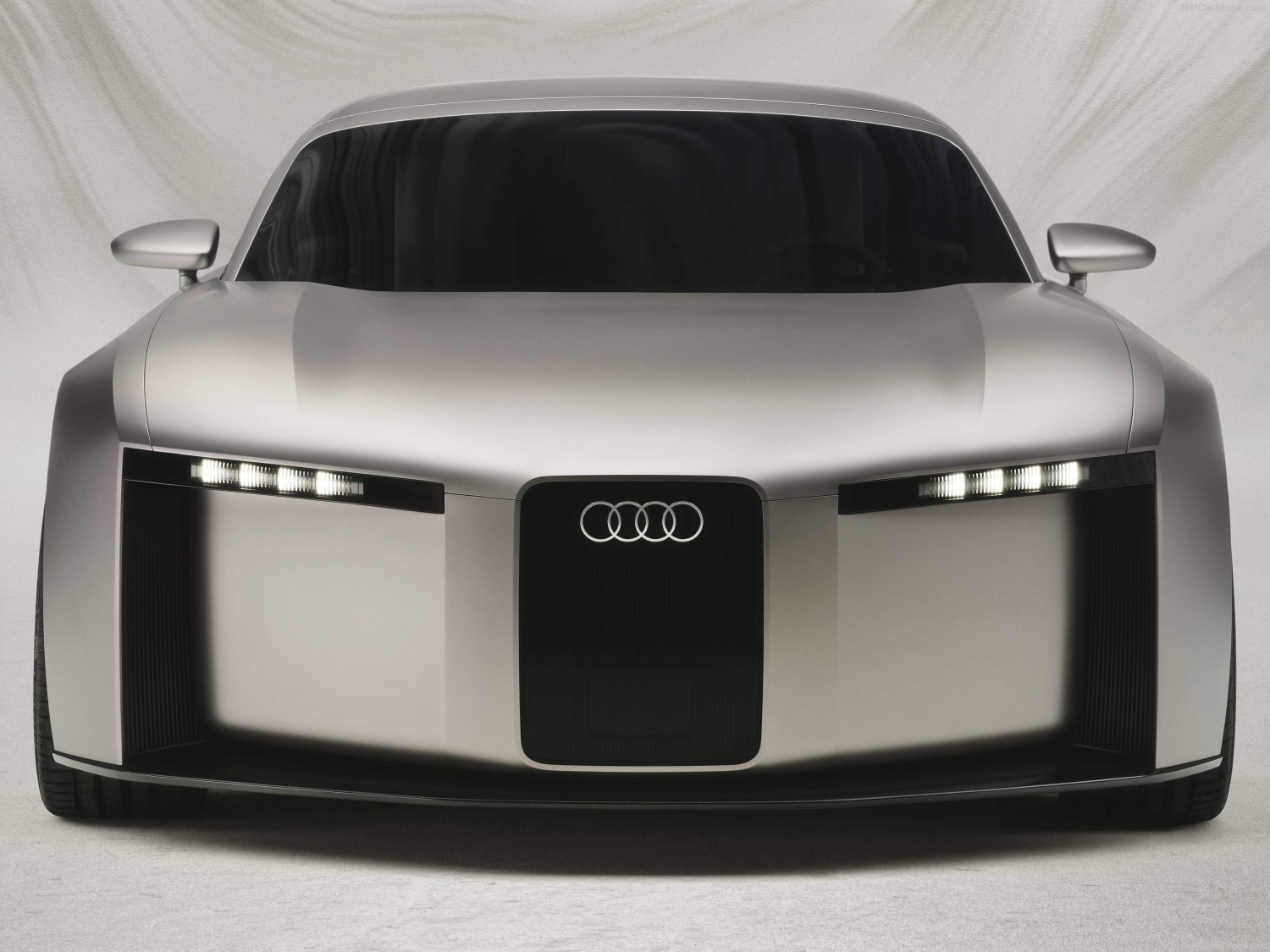
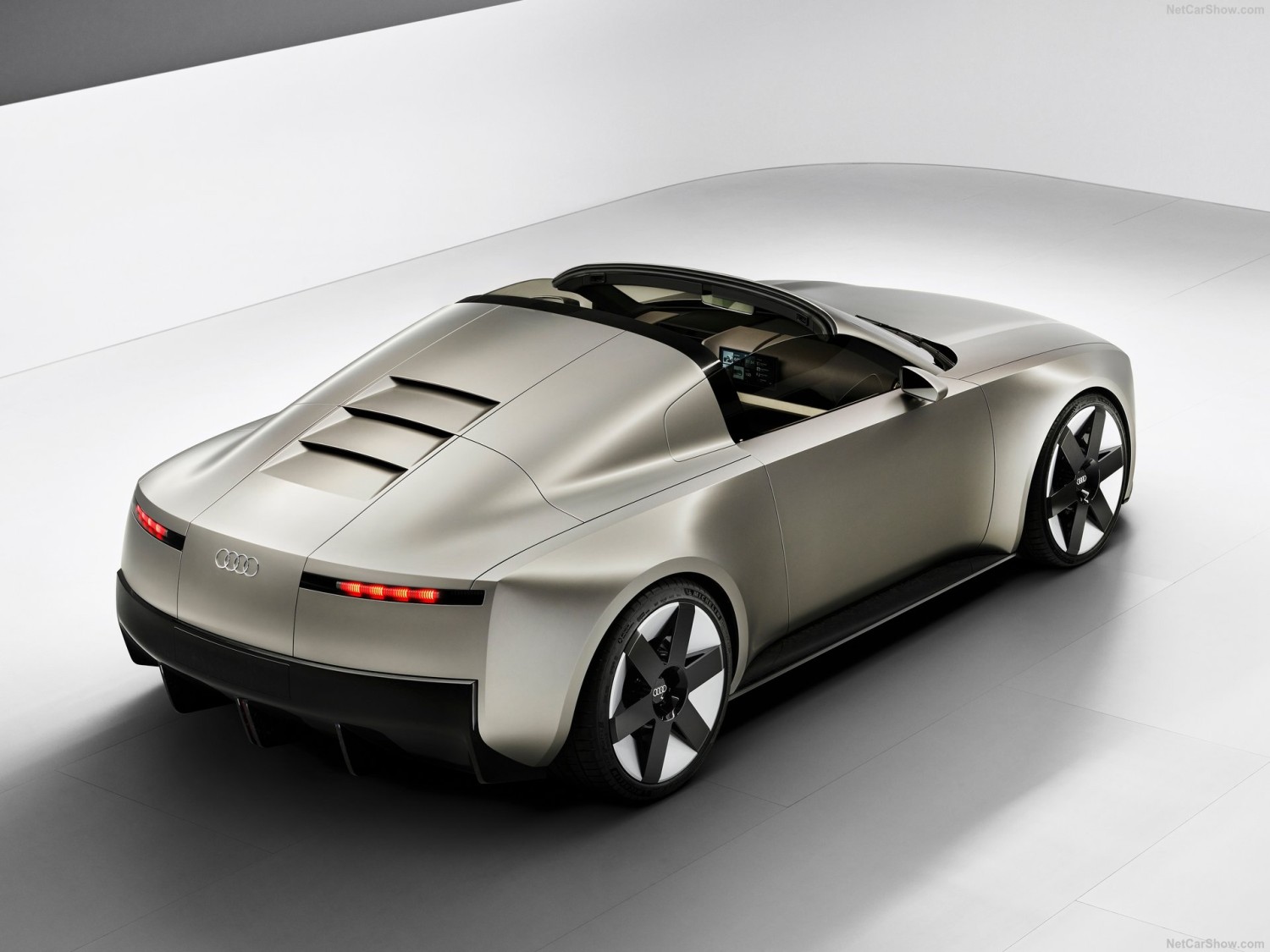
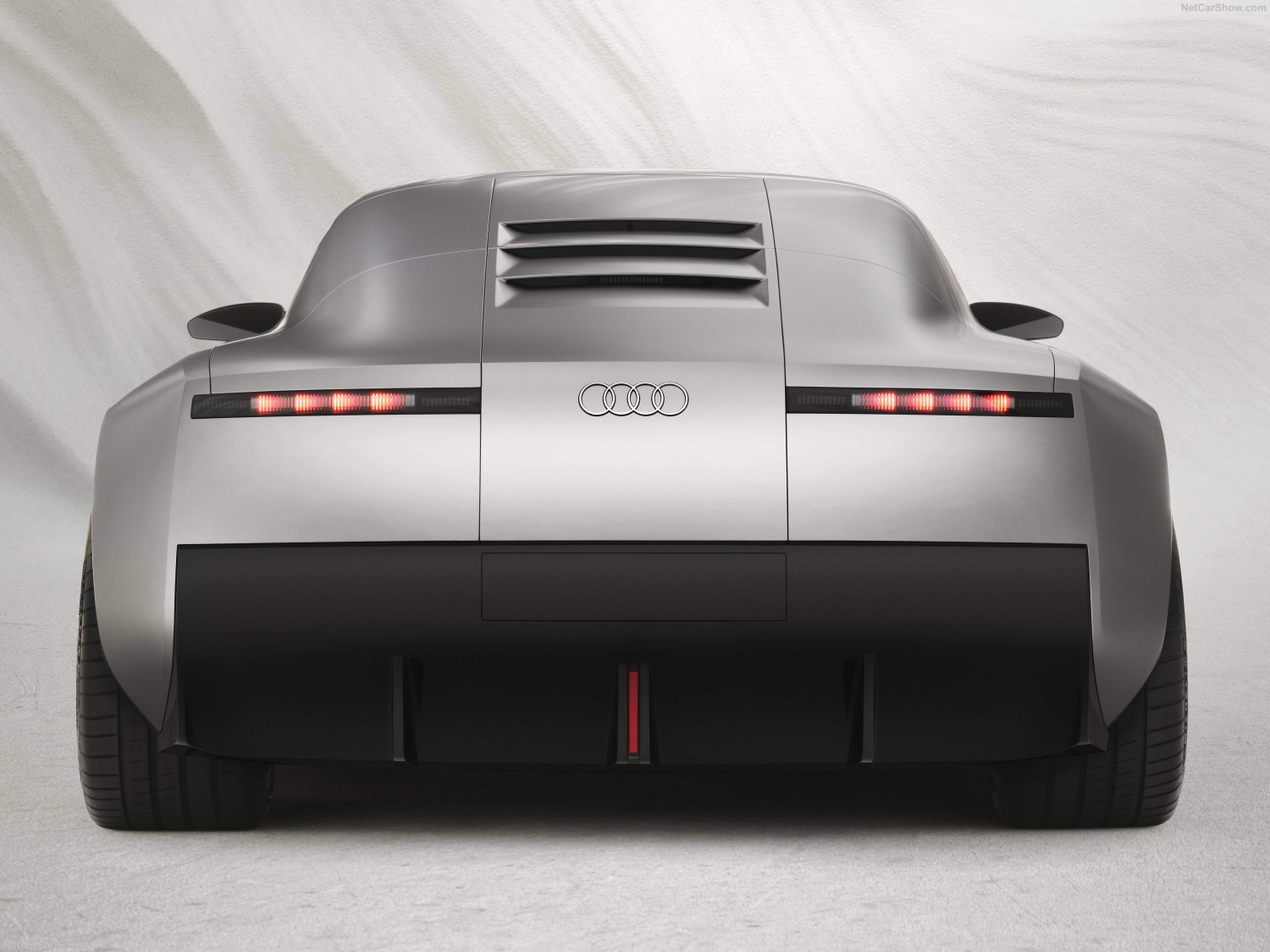
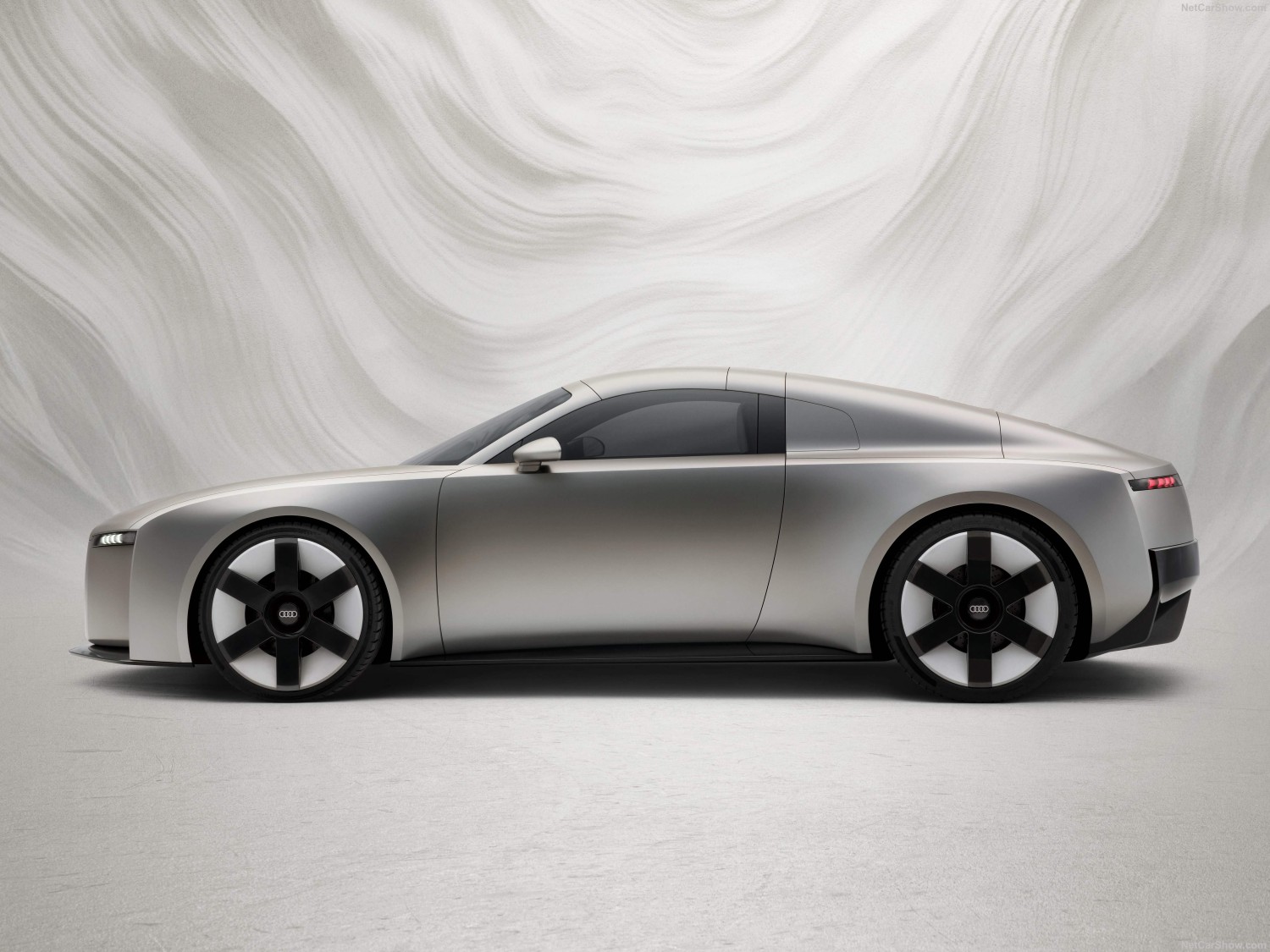
He has played a role in shaping two of Audi’s most forward-looking concept vehicles in recent years: the Audi Activesphere (2023) and more recently, the Audi Concept C (2025), a project expected to help signal the brand’s next evolution in design philosophy.
Can you tell us about your journey into design and CGI visualization, what first drew you to this field?
My interest in car design started at an early age. I’ve always been fascinated by cars, not just how they work, but how they make people feel visually. As I got deeper into car design, I became increasingly interested in how digital tools could bring ideas to life before anything physical even existed.
That’s where CGI visualization really clicked for me. I realized it wasn’t just about making something look realistic. It was about storytelling, atmosphere, and communicating a design vision in a powerful way. Eventually, the skill set I developed, combining automotive design with visual storytelling, opened the door to working on concept projects at Audi.
Was it hard for you to transition from traditional car design to a digital one? How did your skills evolve from traditional design into high-end automotive CGI work?
For me, the transition felt pretty organic because I started experimenting with 3D tools quite early during my college years. I was already exploring software like Blender 3D and later Unreal Engine while I was still developing my traditional design skills, so digital visualization never felt like a separate discipline. Traditional design taught me the fundamentals: proportion, form, surface language, and how to communicate ideas clearly, but 3D allowed me to push those ideas further.
Over time, I became increasingly interested not just in modeling cars, but in presenting them in a cinematic, emotionally engaging way. After all, we design something that moves, so I began experimenting with animation and environments to visually tell a story about how a car might actually be used.
As the tools evolved and real-time rendering became more powerful, especially with software like Unreal Engine, the gap between design and visualization started to diminish. It became much easier to get quick visual feedback and use that to refine and improve the design.
What was your specific role in the Audi concept car development?
My role was mainly focused on the visualization side of the project: developing the visual language, storytelling, and overall look development for how the concept car would be presented. That involved translating the designers’ ideas into compelling imagery that not only showed the car accurately, but also captured the emotion, atmosphere, and vision behind it.
A big part of that was look development, refining materials, lighting, environments, and cinematic details so the car felt believable and aligned with Audi’s design identity. At the same time, storytelling was key. Concept cars aren’t just objects; they represent a future scenario, so the visuals needed to communicate how the vehicle fits into that world and how people might experience it.
It was really about bridging design and narrative, making sure the concept wasn’t just seen, but felt.
At what stage of the project did CGI visualization become most critical?
CGI visualization becomes critical as soon as a speedform 3D model is created. Designers develop a volume model that roughly translates the feeling of the key sketch, and it’s important to see how light interacts with the surfaces and whether it holds up under photorealistic physical lighting. Visualization helps us identify and iron out potential issues early in the process. Later in the workflow, CGI is used to present the design to Board members for approval. It’s crucial that everyone is aligned at every step
How closely did you collaborate with Audi’s design and engineering teams?
It was a back-and-forth exchange of ideas with the designers and engineering teams. For the Concept C, there were new mechanisms for the headlight and taillight designs that involved movement. I helped visualize how this movement would look before ensuring that both the engineers and designers were aligned and ready to move forward with the decisions.
What software, rendering engines, or tools did you rely on for this project?
At our studio, I can proudly say that I have helped elevate the use of digital tools. Traditional 3D software used to take far too long to create visuals that designers could iterate on. By introducing Unreal Engine, we were able to take the car design process to the next level, generating high-fidelity imagery much faster. Previously, creating a 2–3 minute animation within the project timeframe was nearly impossible, but now our visual storytelling could be fully supported with a complete package of imagery, including animations. I also played a role in integrating Virtual Reality into our design process, which provided more refined feedback and allowed us to experience the car as if it actually existed in the room.
Were there any unexpected technical or creative challenges during the design process of Concept C?
Obviously, there were a few creative challenges during the design process of the Concept C. As a statement concept car for Audi, there was no room for error. We had to ensure it was captivating for the public, especially given how highly anticipated it was. On the technical side, the faster workflow we had implemented for the visualization pipeline was both refreshing and challenging to adapt to, but in the end, we succeeded.
How do automotive brands like Audi use CGI strategically, beyond just marketing visuals?
CGI has become an essential part of the design and development process itself. It’s a tool for rapid iteration. Concept cars, in particular, aren’t just products; they represent a vision of the future. High-quality visualization helps communicate that vision internally to teams and externally to the public or investors. Visualization can even have a major impact on how a design is perceived, sometimes determining whether it gets approved or not.
What projects or collaborations are you currently excited about?
I’m really excited about Audi’s next set of production cars. I can’t reveal too much, but I’m confident they will give the Audi brand a whole new identity.
Where do you see automotive CGI and design visualization heading in the next decade?
AI will definitely change the world of visualization. Whether for better or worse, I can’t say, but I believe that if used intelligently, it’s an incredibly powerful tool that can elevate an artist’s vision to the next level.
What would you say to the aspiring automotive CGI artists?
I would say it’s really important to understand the fundamentals of automotive design. The thing about automotive design is that it’s such an emotional product compared to others. Telling a story through visuals should always be the number one goal, the details come after. For all aspiring artists, my advice would be to stay up to date with new tools and technologies to remain at the cutting edge.After all, a man does not go to the moon without a spaceship.
It’s been incredible hearing about your journey and your work on Audi’s concept cars. We can’t wait to see what’s next from you, good luck with all your upcoming projects!
Thank you so much! I really appreciate it, and I’m excited for what the future holds.
Davaadorj Battugs (Даваадорж Баттөгс) is an automotive designer and a visualization specialist at Audi, working at the intersection of design vision and digital storytelling.
He has played a role in shaping two of Audi’s most forward-looking concept vehicles in recent years: the Audi Activesphere (2023) and more recently, the Audi Concept C (2025), a project expected to help signal the brand’s next evolution in design philosophy.
Can you tell us about your journey into design and CGI visualization, what first drew you to this field?
My interest in car design started at an early age. I’ve always been fascinated by cars, not just how they work, but how they make people feel visually. As I got deeper into car design, I became increasingly interested in how digital tools could bring ideas to life before anything physical even existed.
That’s where CGI visualization really clicked for me. I realized it wasn’t just about making something look realistic. It was about storytelling, atmosphere, and communicating a design vision in a powerful way. Eventually, the skill set I developed, combining automotive design with visual storytelling, opened the door to working on concept projects at Audi.
Was it hard for you to transition from traditional car design to a digital one? How did your skills evolve from traditional design into high-end automotive CGI work?
For me, the transition felt pretty organic because I started experimenting with 3D tools quite early during my college years. I was already exploring software like Blender 3D and later Unreal Engine while I was still developing my traditional design skills, so digital visualization never felt like a separate discipline. Traditional design taught me the fundamentals: proportion, form, surface language, and how to communicate ideas clearly, but 3D allowed me to push those ideas further.
Over time, I became increasingly interested not just in modeling cars, but in presenting them in a cinematic, emotionally engaging way. After all, we design something that moves, so I began experimenting with animation and environments to visually tell a story about how a car might actually be used.
As the tools evolved and real-time rendering became more powerful, especially with software like Unreal Engine, the gap between design and visualization started to diminish. It became much easier to get quick visual feedback and use that to refine and improve the design.
What was your specific role in the Audi concept car development?
My role was mainly focused on the visualization side of the project: developing the visual language, storytelling, and overall look development for how the concept car would be presented. That involved translating the designers’ ideas into compelling imagery that not only showed the car accurately, but also captured the emotion, atmosphere, and vision behind it.
A big part of that was look development, refining materials, lighting, environments, and cinematic details so the car felt believable and aligned with Audi’s design identity. At the same time, storytelling was key. Concept cars aren’t just objects; they represent a future scenario, so the visuals needed to communicate how the vehicle fits into that world and how people might experience it.
It was really about bridging design and narrative, making sure the concept wasn’t just seen, but felt.
At what stage of the project did CGI visualization become most critical?
CGI visualization becomes critical as soon as a speedform 3D model is created. Designers develop a volume model that roughly translates the feeling of the key sketch, and it’s important to see how light interacts with the surfaces and whether it holds up under photorealistic physical lighting. Visualization helps us identify and iron out potential issues early in the process. Later in the workflow, CGI is used to present the design to Board members for approval. It’s crucial that everyone is aligned at every step
How closely did you collaborate with Audi’s design and engineering teams?
It was a back-and-forth exchange of ideas with the designers and engineering teams. For the Concept C, there were new mechanisms for the headlight and taillight designs that involved movement. I helped visualize how this movement would look before ensuring that both the engineers and designers were aligned and ready to move forward with the decisions.
What software, rendering engines, or tools did you rely on for this project?
At our studio, I can proudly say that I have helped elevate the use of digital tools. Traditional 3D software used to take far too long to create visuals that designers could iterate on. By introducing Unreal Engine, we were able to take the car design process to the next level, generating high-fidelity imagery much faster. Previously, creating a 2–3 minute animation within the project timeframe was nearly impossible, but now our visual storytelling could be fully supported with a complete package of imagery, including animations. I also played a role in integrating Virtual Reality into our design process, which provided more refined feedback and allowed us to experience the car as if it actually existed in the room.
Were there any unexpected technical or creative challenges during the design process of Concept C?
Obviously, there were a few creative challenges during the design process of the Concept C. As a statement concept car for Audi, there was no room for error. We had to ensure it was captivating for the public, especially given how highly anticipated it was. On the technical side, the faster workflow we had implemented for the visualization pipeline was both refreshing and challenging to adapt to, but in the end, we succeeded.
How do automotive brands like Audi use CGI strategically, beyond just marketing visuals?
CGI has become an essential part of the design and development process itself. It’s a tool for rapid iteration. Concept cars, in particular, aren’t just products; they represent a vision of the future. High-quality visualization helps communicate that vision internally to teams and externally to the public or investors. Visualization can even have a major impact on how a design is perceived, sometimes determining whether it gets approved or not.
What projects or collaborations are you currently excited about?
I’m really excited about Audi’s next set of production cars. I can’t reveal too much, but I’m confident they will give the Audi brand a whole new identity.
Where do you see automotive CGI and design visualization heading in the next decade?
AI will definitely change the world of visualization. Whether for better or worse, I can’t say, but I believe that if used intelligently, it’s an incredibly powerful tool that can elevate an artist’s vision to the next level.
What would you say to the aspiring automotive CGI artists?
I would say it’s really important to understand the fundamentals of automotive design. The thing about automotive design is that it’s such an emotional product compared to others. Telling a story through visuals should always be the number one goal, the details come after. For all aspiring artists, my advice would be to stay up to date with new tools and technologies to remain at the cutting edge.After all, a man does not go to the moon without a spaceship.
It’s been incredible hearing about your journey and your work on Audi’s concept cars. We can’t wait to see what’s next from you, good luck with all your upcoming projects!
Thank you so much! I really appreciate it, and I’m excited for what the future holds.