

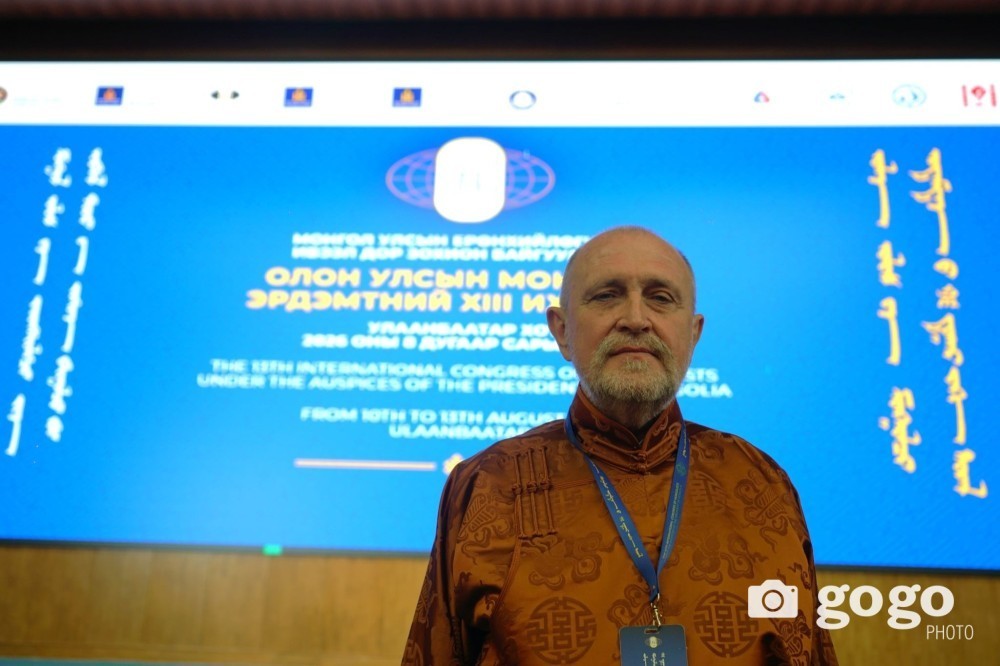
“Mongolia is a country with a rich history and culture. There are few countries in the world with a history and culture spanning thousands of years.
“In recent years, however, there has been an increasing tendency among Mongolian young people to imitate and adopt foreign cultures, particularly Korean culture,” Russian researcher Sergey Kuzmin said on August 10, 2026, during the 13th International Congress of Mongolists, held under the theme “Mongol Studies: Tradition and Modernity.”
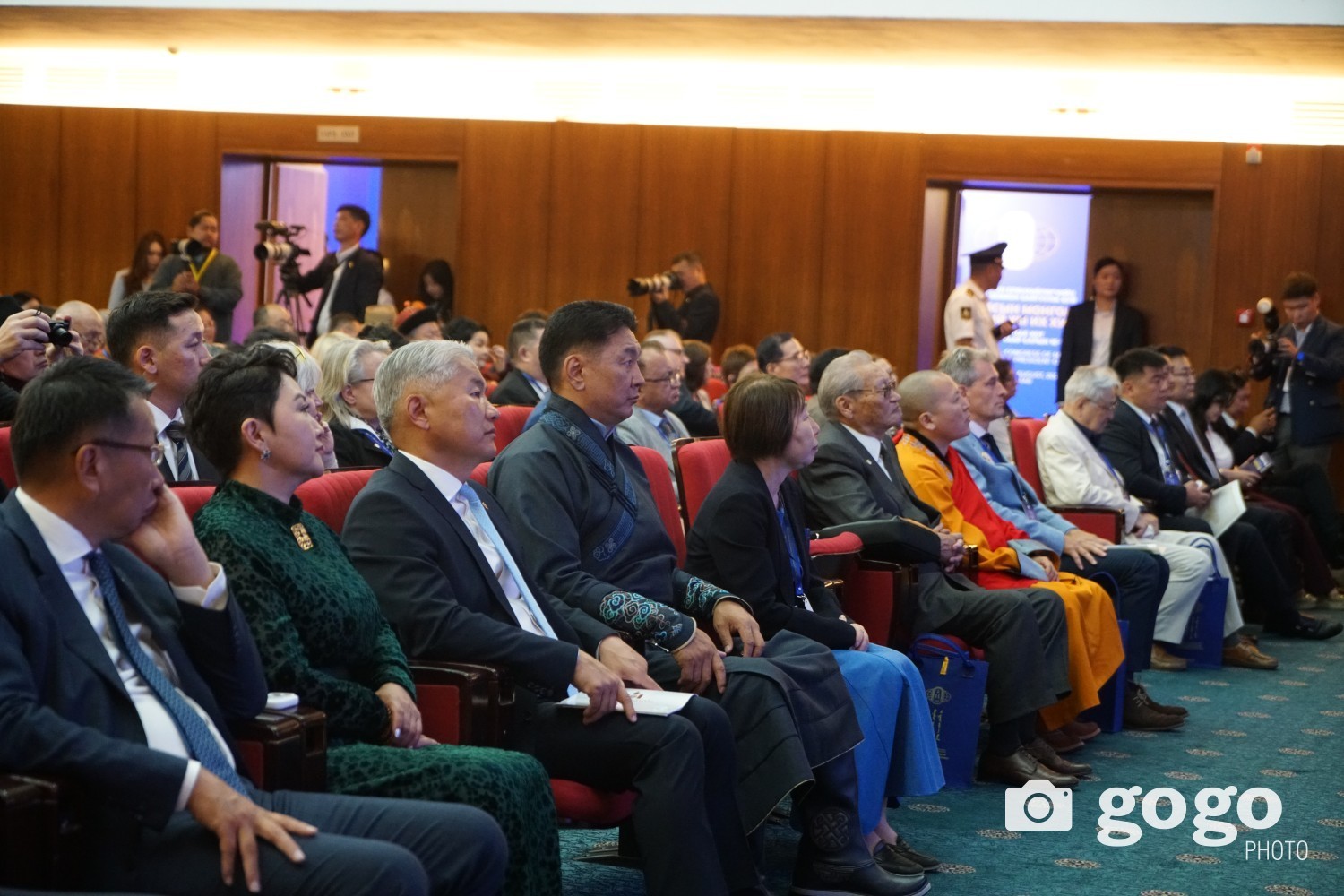
The congress, which is being held at the State Palace, brings together more than 570 Mongolian studies scholars and researchers from more than 30 countries and will continue through August 13.
Sergey Kuzmin shared his views on Mongolia, saying, “I am from Moscow and have been studying Mongolia’s history and culture for a long time. I believe there is still much to learn about Mongolia’s history, particularly the history of the 1920s.
“There are many countries in the world today, but I believe that Mongolia’s history from the time of Chinggis Khaan to the Eighth Bogd Khaan is unique. It represents a historical experience that is not found in the history of other countries.”
A total of 546 scholars from 30 countries, including the United States, Russia, China, the Republic of Korea, and Japan, are participating in the congress. A total of 531 academic papers will be presented across six sessions covering “Mongolian History,” “Mongolian Linguistics,” “Mongolian Archaeology,” “Mongolian Culture, Art and Literature,” “Mongolian Ethnography and Traditional Knowledge,” and “Mongolian Modern Society and Foreign Relations.”
Anna Tsendina, a Mongolian studies scholar from Russia, shared her personal experience of entering the field.
“I was a very ambitious girl who dreamed of becoming a puppeteer after graduating from high school. Both my mother and father were Mongolian studies scholars. My mother always encouraged me to pursue Mongolian studies. My father was always sitting at his desk, so I thought it was a boring profession and did not want to follow in his footsteps.
Over time, however, I learned more about the field, came to enjoy my father’s company, met many wonderful people, and eventually realized that this is a wonderful profession.”
Now a teacher herself, Tsendina said she gives her students and fellow researchers the following advice:
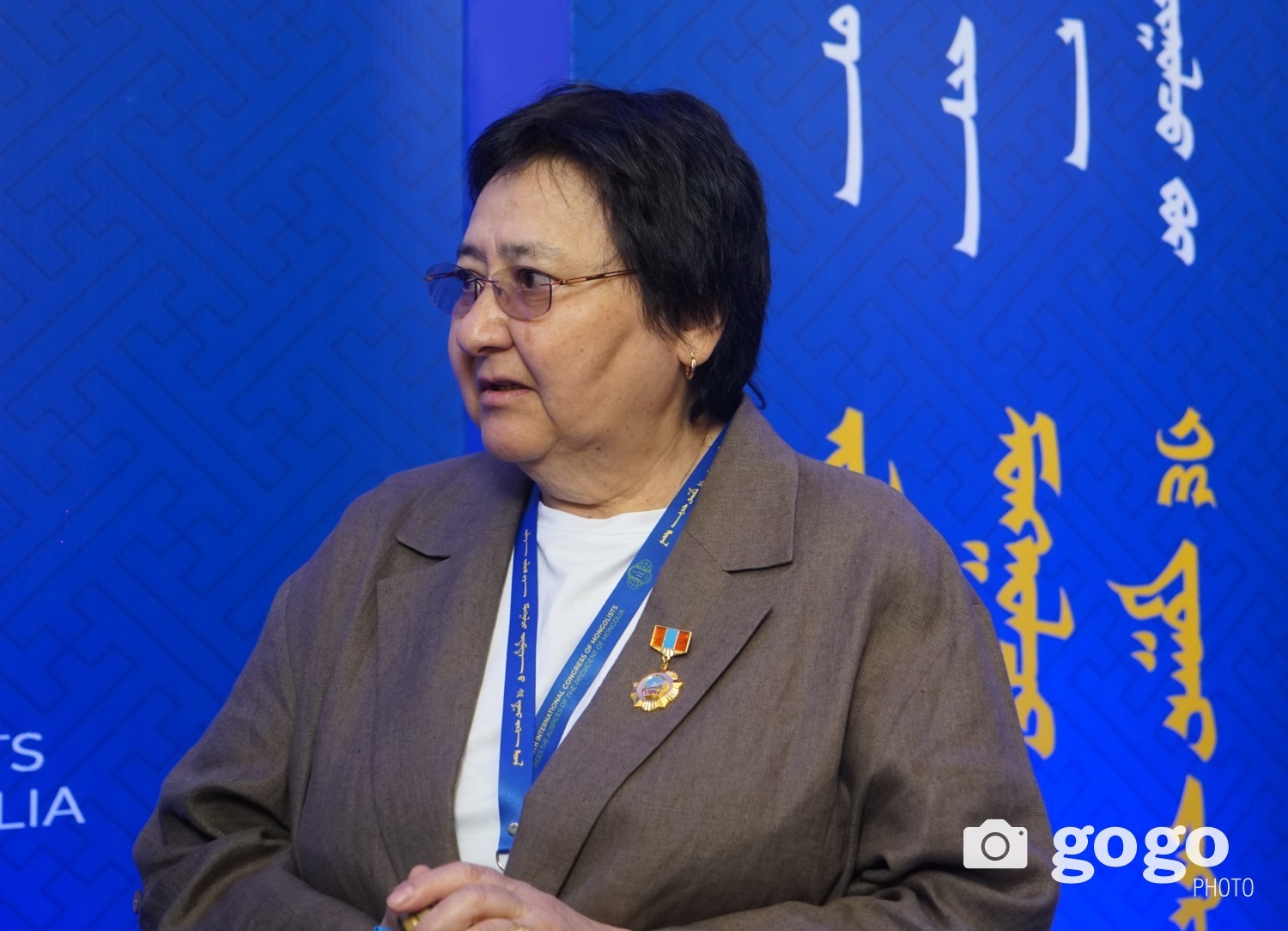
“You will never become rich by choosing this field. But you can live a happy and interesting life through knowledge. Studying Mongolia is, in itself, a very rewarding and fascinating profession.”
She also spoke about her father’s long-standing interest in Tibetan studies.
“My father has been interested in developing Tibetan studies for many years. There are still relatively few studies of Tibet based on the history of Mongolia. Lamas often speak about Tibet from their own perspective, while researchers approach it from a different point of view.
The cultures of Mongolia and Tibet are very similar. My father was someone who searched for and collected scriptures that had been hidden by lamas during the Great Repression. Some of these books contain valuable information about Mongolian beliefs, symbols, and everyday life. Therefore, I would like future scholars to conduct further research on these materials,” said Anna Tsendina, a participant in the congress.
The International Congress of Mongolists has been held regularly since 1959. According to available statistics, approximately 4,000 scholars and researchers from more than 60 countries have participated in the congress over the past 66 years.
During this period, scholars have presented more than 3,000 academic papers covering more than 20 fields, including Mongolian linguistics, history, archaeology, anthropology, ethnology, religious studies, cultural studies, and international relations.
“Mongolia is a country with a rich history and culture. There are few countries in the world with a history and culture spanning thousands of years.
“In recent years, however, there has been an increasing tendency among Mongolian young people to imitate and adopt foreign cultures, particularly Korean culture,” Russian researcher Sergey Kuzmin said on August 10, 2026, during the 13th International Congress of Mongolists, held under the theme “Mongol Studies: Tradition and Modernity.”
The congress, which is being held at the State Palace, brings together more than 570 Mongolian studies scholars and researchers from more than 30 countries and will continue through August 13.
Sergey Kuzmin shared his views on Mongolia, saying, “I am from Moscow and have been studying Mongolia’s history and culture for a long time. I believe there is still much to learn about Mongolia’s history, particularly the history of the 1920s.
“There are many countries in the world today, but I believe that Mongolia’s history from the time of Chinggis Khaan to the Eighth Bogd Khaan is unique. It represents a historical experience that is not found in the history of other countries.”
A total of 546 scholars from 30 countries, including the United States, Russia, China, the Republic of Korea, and Japan, are participating in the congress. A total of 531 academic papers will be presented across six sessions covering “Mongolian History,” “Mongolian Linguistics,” “Mongolian Archaeology,” “Mongolian Culture, Art and Literature,” “Mongolian Ethnography and Traditional Knowledge,” and “Mongolian Modern Society and Foreign Relations.”
Anna Tsendina, a Mongolian studies scholar from Russia, shared her personal experience of entering the field.
“I was a very ambitious girl who dreamed of becoming a puppeteer after graduating from high school. Both my mother and father were Mongolian studies scholars. My mother always encouraged me to pursue Mongolian studies. My father was always sitting at his desk, so I thought it was a boring profession and did not want to follow in his footsteps.
Over time, however, I learned more about the field, came to enjoy my father’s company, met many wonderful people, and eventually realized that this is a wonderful profession.”
Now a teacher herself, Tsendina said she gives her students and fellow researchers the following advice:
“You will never become rich by choosing this field. But you can live a happy and interesting life through knowledge. Studying Mongolia is, in itself, a very rewarding and fascinating profession.”
She also spoke about her father’s long-standing interest in Tibetan studies.
“My father has been interested in developing Tibetan studies for many years. There are still relatively few studies of Tibet based on the history of Mongolia. Lamas often speak about Tibet from their own perspective, while researchers approach it from a different point of view.
The cultures of Mongolia and Tibet are very similar. My father was someone who searched for and collected scriptures that had been hidden by lamas during the Great Repression. Some of these books contain valuable information about Mongolian beliefs, symbols, and everyday life. Therefore, I would like future scholars to conduct further research on these materials,” said Anna Tsendina, a participant in the congress.
The International Congress of Mongolists has been held regularly since 1959. According to available statistics, approximately 4,000 scholars and researchers from more than 60 countries have participated in the congress over the past 66 years.
During this period, scholars have presented more than 3,000 academic papers covering more than 20 fields, including Mongolian linguistics, history, archaeology, anthropology, ethnology, religious studies, cultural studies, and international relations.