

.jpg)
Abstract
The United States faces a critical challenge: hundreds of old or abandoned underground mines must be rehabilitated to ensure safety, protect the environment, and encourage domestic mineral independence. This article draws on over four decades of experience in surface and underground mining, block cave mining, shaft sinking up to 15-meter-diameter shafts to a depth of 1,800 Ln meters, flooded mine rehabilitation, and nuclear-grade sink and gallery excavation projects in France; copper and gold mines in the Gobi Desert of Mongolia; copper, gold, and uranium mines in the Democratic Republic of the Congo; and lead, coal, diamond, platinum, copper, and gold mines in South Africa.
About the Author:
André Hubert Hendrik is a mining engineer and project director with more than forty years of experience in underground development, shaft-sinking, and mine-rehabilitation projects across South Africa, Mongolia, France, and the Democratic Republic of Congo. He currently advises on sustainable mine-rehabilitation and safety-innovation strategies aligned with U.S. critical-minerals and infrastructure priorities.
A national priority.
Abandoned and falling apart underground mines in the US are a big safety risk, bad for the environment, and a squandered chance to make money. Many of these mines contain important minerals essential for electric vehicles, renewable energy technology, and defense, but they remain inaccessible due to unsafe infrastructure. Modern rehabilitation is not just a technical necessity but also a matter of national significance.
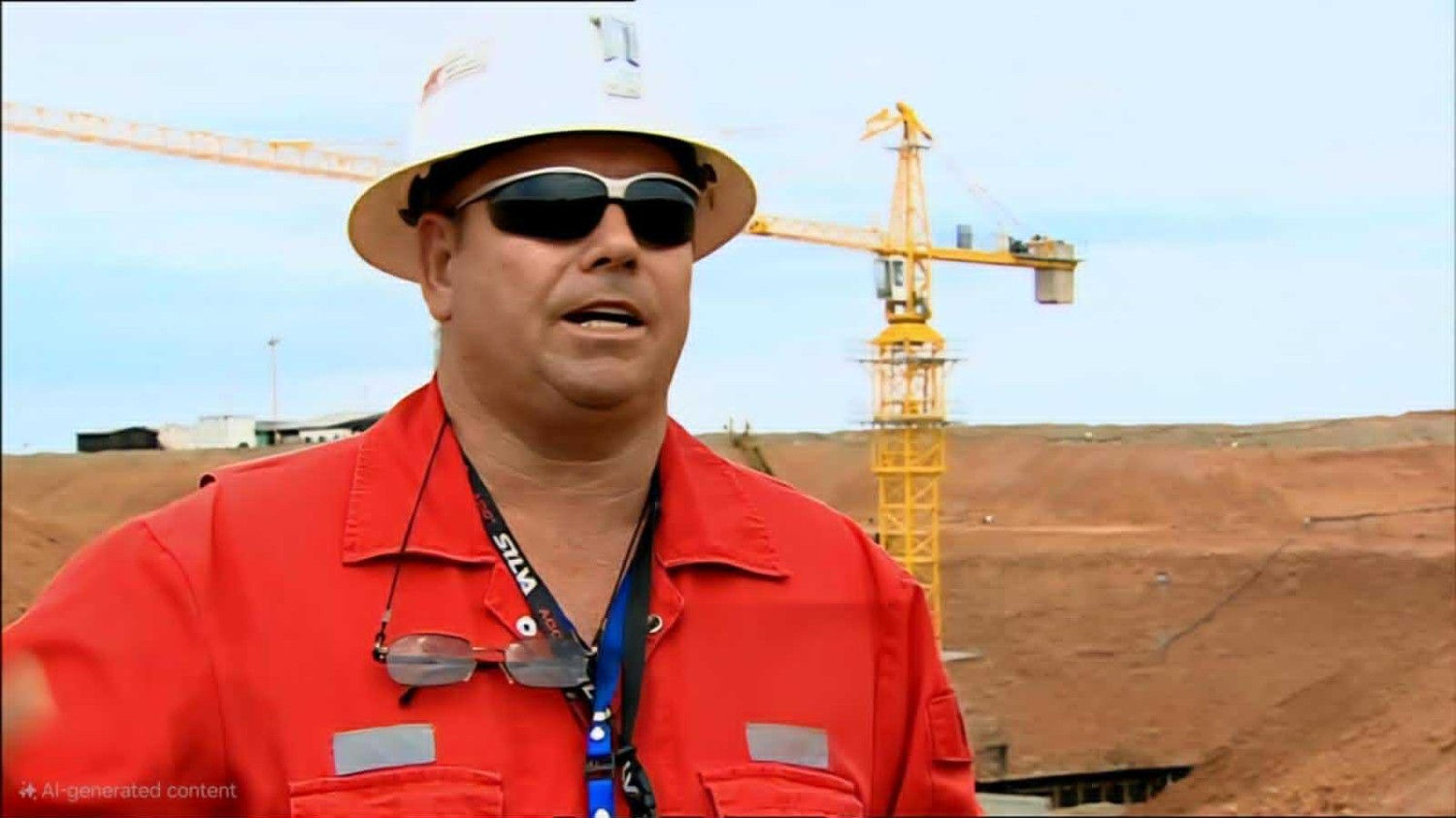
Lessons from Global High-Risk Environments.
I have worked on complicated and dangerous subterranean projects, such as a deep-level gold mine in South Africa that works under a lot of pressure and heat.
• Digging a shaft at the Oyu Tolgoi copper-gold deposit in Mongolia. • Restoring the old Kipushi mine in the Democratic Republic of the Congo.
Most mining companies can't match the level of accuracy and safety required for nuclear-grade underground excavation in France.
These situations call for answers that go beyond what is normally possible in mining engineering.
Lessons were gained from Sunshine Mine America in 1972, when 92 people died, and Lake Peigneur America, which flooded during exploration drilling while hundreds of workers were completing their regular activities.
A block cave mine in Australia fell apart and caused an air blast that killed many workers and some managers who were visiting the underground. This was because they didn't know how to work with hard rock. At the Black Diamond mine in South Africa, an elevator fell down the shaft and killed workers because it wasn't kept up. At Western Deep mine, there are serious problems with a secondary and thirtieth shaft going down 3,000 ln meters, which is where the world's richest gold deposit is.
There is a lot more material accessible for future reference that can be used to share and raise safety standards in the industry:
For example, bad design, bad ventilation, no escape routes, bad safety equipment, bad training, trainers not knowing what they're doing, bad education, people being too comfortable, and most significantly, not knowing how to manage people!
Those mining laws were written in blood and killed thousands of workers.
In today's modern mining training, we need trainers who have a master's or PhD and at least 20 years of real-world mining experience to teach mining trainees about the history of mining accidents, modern mining design and layout, safety equipment, mining equipment and machines, and how to be disciplined so they can do their jobs well every day.
For future rehabilitation and modern mining, we need to think again about how little we knew and how little experience we had with the information above. We need to learn new skills for the future of mining and building.
Innovation Spotlight | Non-Static Blast Sleeves
These sleeves, designed to lessen the risk of static electricity ignition during blasting, performed admirably in restricted, high-risk conditions, preventing unnecessary blast damage to the rock walls and lowering the cost of wall support. U.S. impact: Accident rates in rehabilitation and development efforts may fall. 3.2 Improved Equipment Transportation Methods. Specialized conveyance and steering systems for heavy machinery enabled safe passage into narrow, degraded shafts. U.S. Impact: Rehabilitation teams can be deployed more safely and swiftly. 3.3 Nuclear-Grade Safety Standards in Mining Transferring nuclear sector safety measures to mining operations resulted in more precision and accountability. U.S. impact: Improves regulatory compliance and stakeholder confidence.
Strategic Application in the United States
Adopting proven methods in the United States can accelerate the reactivation of key mineral deposits.
- Reduce safety accidents and injuries.
- Minimize downtime and expenses.
- Meet or exceed MSHA and environmental regulations.
Conclusion
The United States may transform its aging underground mining infrastructure into a strategic national asset by combining globally proven safety and rehabilitation technologies. Lessons from high-risk international operations can assist in ensuring that America's quest for vital minerals is both safe and sustainable.
By André Hubert Hendrik
Abstract
The United States faces a critical challenge: hundreds of old or abandoned underground mines must be rehabilitated to ensure safety, protect the environment, and encourage domestic mineral independence. This article draws on over four decades of experience in surface and underground mining, block cave mining, shaft sinking up to 15-meter-diameter shafts to a depth of 1,800 Ln meters, flooded mine rehabilitation, and nuclear-grade sink and gallery excavation projects in France; copper and gold mines in the Gobi Desert of Mongolia; copper, gold, and uranium mines in the Democratic Republic of the Congo; and lead, coal, diamond, platinum, copper, and gold mines in South Africa.
About the Author:
André Hubert Hendrik is a mining engineer and project director with more than forty years of experience in underground development, shaft-sinking, and mine-rehabilitation projects across South Africa, Mongolia, France, and the Democratic Republic of Congo. He currently advises on sustainable mine-rehabilitation and safety-innovation strategies aligned with U.S. critical-minerals and infrastructure priorities.
A national priority.
Abandoned and falling apart underground mines in the US are a big safety risk, bad for the environment, and a squandered chance to make money. Many of these mines contain important minerals essential for electric vehicles, renewable energy technology, and defense, but they remain inaccessible due to unsafe infrastructure. Modern rehabilitation is not just a technical necessity but also a matter of national significance.
Lessons from Global High-Risk Environments.
I have worked on complicated and dangerous subterranean projects, such as a deep-level gold mine in South Africa that works under a lot of pressure and heat.
• Digging a shaft at the Oyu Tolgoi copper-gold deposit in Mongolia. • Restoring the old Kipushi mine in the Democratic Republic of the Congo.
Most mining companies can't match the level of accuracy and safety required for nuclear-grade underground excavation in France.
These situations call for answers that go beyond what is normally possible in mining engineering.
Lessons were gained from Sunshine Mine America in 1972, when 92 people died, and Lake Peigneur America, which flooded during exploration drilling while hundreds of workers were completing their regular activities.
A block cave mine in Australia fell apart and caused an air blast that killed many workers and some managers who were visiting the underground. This was because they didn't know how to work with hard rock. At the Black Diamond mine in South Africa, an elevator fell down the shaft and killed workers because it wasn't kept up. At Western Deep mine, there are serious problems with a secondary and thirtieth shaft going down 3,000 ln meters, which is where the world's richest gold deposit is.
There is a lot more material accessible for future reference that can be used to share and raise safety standards in the industry:
For example, bad design, bad ventilation, no escape routes, bad safety equipment, bad training, trainers not knowing what they're doing, bad education, people being too comfortable, and most significantly, not knowing how to manage people!
Those mining laws were written in blood and killed thousands of workers.
In today's modern mining training, we need trainers who have a master's or PhD and at least 20 years of real-world mining experience to teach mining trainees about the history of mining accidents, modern mining design and layout, safety equipment, mining equipment and machines, and how to be disciplined so they can do their jobs well every day.
For future rehabilitation and modern mining, we need to think again about how little we knew and how little experience we had with the information above. We need to learn new skills for the future of mining and building.
Innovation Spotlight | Non-Static Blast Sleeves
These sleeves, designed to lessen the risk of static electricity ignition during blasting, performed admirably in restricted, high-risk conditions, preventing unnecessary blast damage to the rock walls and lowering the cost of wall support. U.S. impact: Accident rates in rehabilitation and development efforts may fall. 3.2 Improved Equipment Transportation Methods. Specialized conveyance and steering systems for heavy machinery enabled safe passage into narrow, degraded shafts. U.S. Impact: Rehabilitation teams can be deployed more safely and swiftly. 3.3 Nuclear-Grade Safety Standards in Mining Transferring nuclear sector safety measures to mining operations resulted in more precision and accountability. U.S. impact: Improves regulatory compliance and stakeholder confidence.
Strategic Application in the United States
Adopting proven methods in the United States can accelerate the reactivation of key mineral deposits.
- Reduce safety accidents and injuries.
- Minimize downtime and expenses.
- Meet or exceed MSHA and environmental regulations.
Conclusion
The United States may transform its aging underground mining infrastructure into a strategic national asset by combining globally proven safety and rehabilitation technologies. Lessons from high-risk international operations can assist in ensuring that America's quest for vital minerals is both safe and sustainable.
By André Hubert Hendrik