

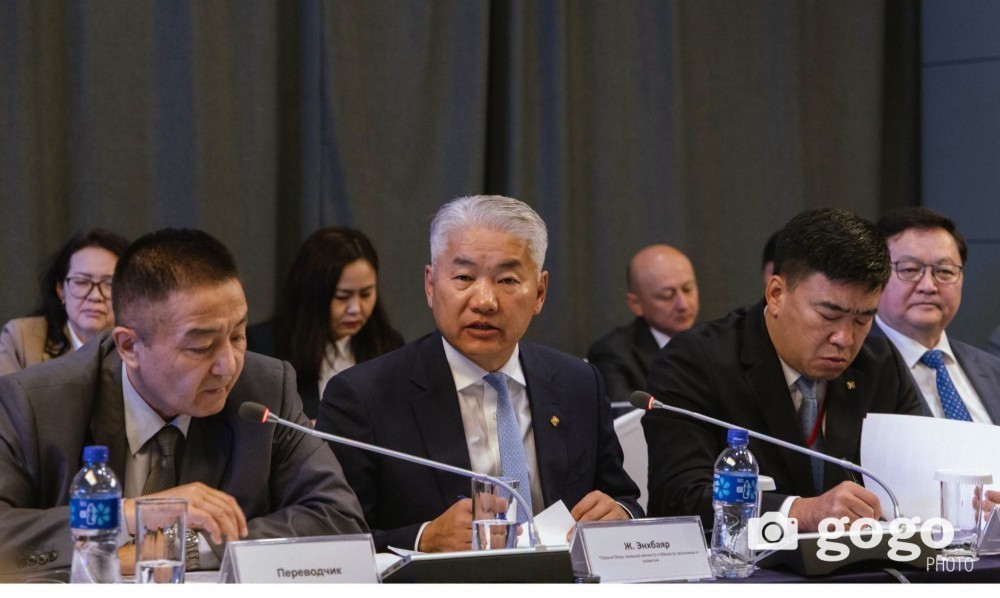
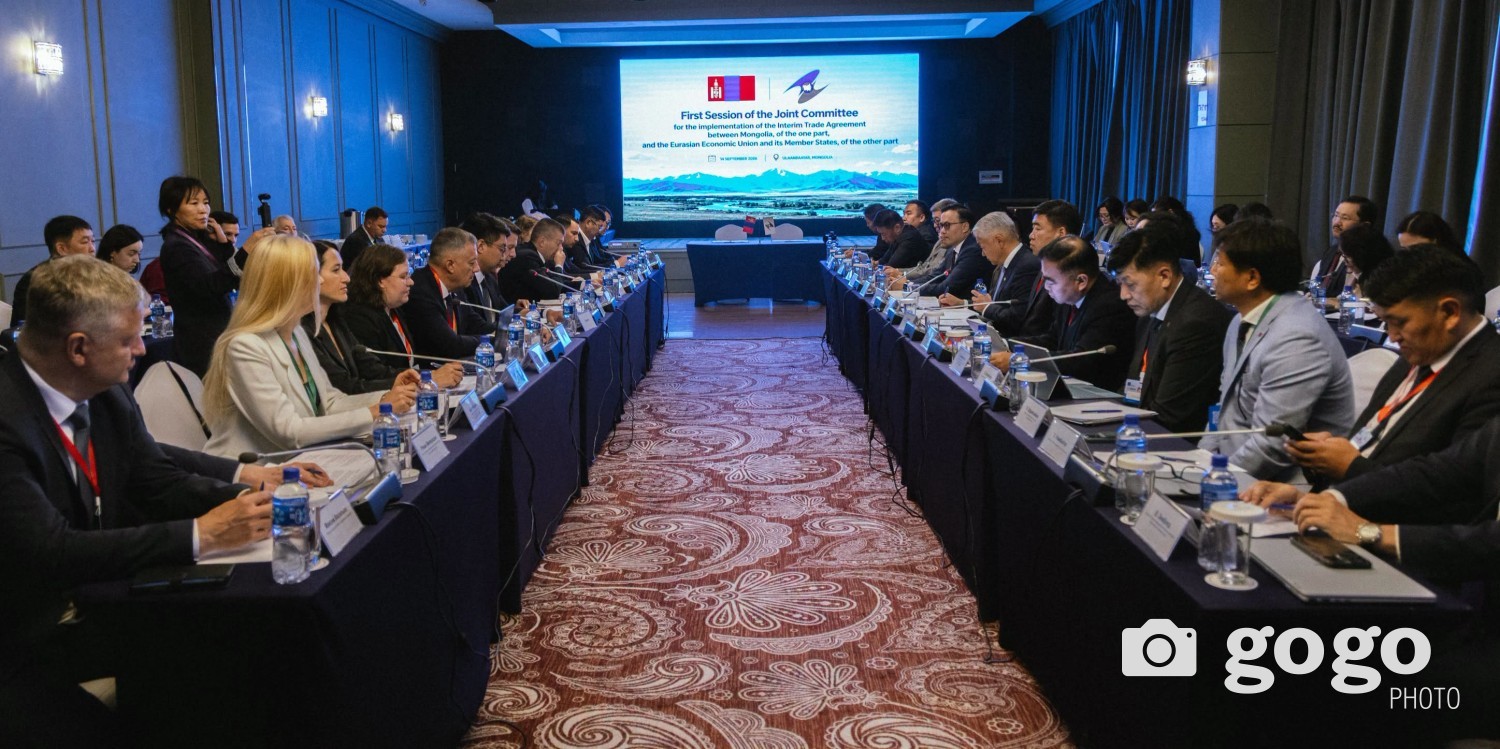
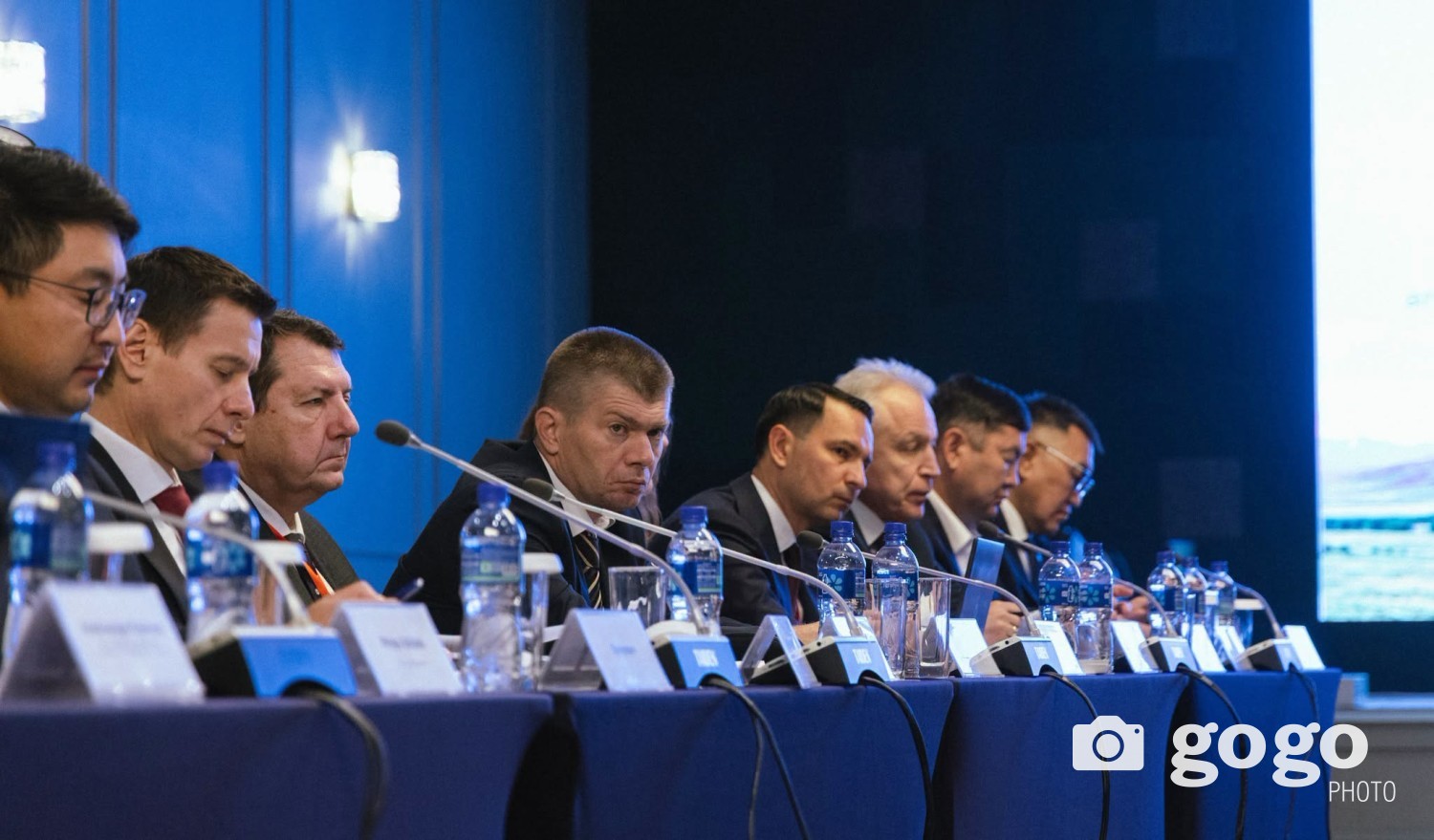
The inaugural meeting of the Joint Committee overseeing the implementation of the Interim Trade Agreement between Mongolia and the Eurasian Economic Union (EAEU) and its member states was held to review the agreement’s implementation and identify practical challenges.
The meeting was co-chaired by J.Enkhbayar, First Deputy Prime Minister and Minister of Economy and Development, and Andrey Slepnev, Minister in charge of Trade at the Eurasian Economic Commission.
B.Lkhagvajav, President of the Mongolian National Chamber of Commerce and Industry (MNCCI), noted that while the agreement has created new opportunities for Mongolian exporters, its implementation has revealed challenges related to tariff concessions, customs clearance, payment settlements, and data synchronization.
In particular, exporters have encountered outdated data in the Russian customs system, discrepancies in signatures on certificates of origin, and requests for additional “Form B” certificates.
Participants also noted restrictions related to veterinary and quarantine requirements affecting the export of milk and dairy products to Kazakhstan.
Meanwhile, the 2nd Mongolia-Russia Regional Forum began on September 14, featuring B2B meetings that enabled business representatives from the two countries to establish direct contacts and discuss opportunities for trade, investment, and cooperation.
More than 100 companies from Mongolia and Russia participated in the meetings, highlighting new business opportunities emerging from Mongolia’s interim trade agreement with the EAEU.
The participating sides also signed memoranda of cooperation and agreed to expand bilateral business collaboration.
The inaugural meeting of the Joint Committee overseeing the implementation of the Interim Trade Agreement between Mongolia and the Eurasian Economic Union (EAEU) and its member states was held to review the agreement’s implementation and identify practical challenges.
The meeting was co-chaired by J.Enkhbayar, First Deputy Prime Minister and Minister of Economy and Development, and Andrey Slepnev, Minister in charge of Trade at the Eurasian Economic Commission.
B.Lkhagvajav, President of the Mongolian National Chamber of Commerce and Industry (MNCCI), noted that while the agreement has created new opportunities for Mongolian exporters, its implementation has revealed challenges related to tariff concessions, customs clearance, payment settlements, and data synchronization.
In particular, exporters have encountered outdated data in the Russian customs system, discrepancies in signatures on certificates of origin, and requests for additional “Form B” certificates.
Participants also noted restrictions related to veterinary and quarantine requirements affecting the export of milk and dairy products to Kazakhstan.
Meanwhile, the 2nd Mongolia-Russia Regional Forum began on September 14, featuring B2B meetings that enabled business representatives from the two countries to establish direct contacts and discuss opportunities for trade, investment, and cooperation.
More than 100 companies from Mongolia and Russia participated in the meetings, highlighting new business opportunities emerging from Mongolia’s interim trade agreement with the EAEU.
The participating sides also signed memoranda of cooperation and agreed to expand bilateral business collaboration.