

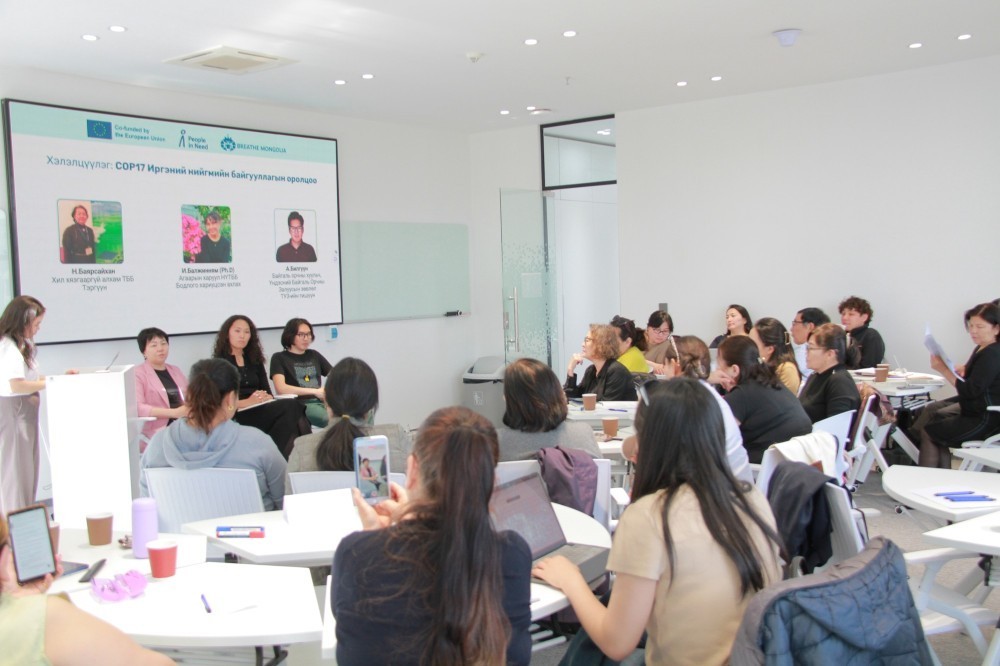
ULAANBAATAR, Mongolia – August 13, 2026 – As Mongolia prepares to host the 17th session of the Conference of the Parties (COP17) to the UN Convention to Combat Desertification (UNCCD), more than 30 Mongolian civil society organizations have come together to issue a joint statement calling for stronger action on land degradation and desertification and greater recognition of the voices of communities directly affected by these issues.
The coalition has submitted its statement to Mongolia's COP17 negotiating team, as well as the Government of Mongolia, the Ministry of Environment and Climate Change, and the Ministry of Foreign Affairs. The statement calls for civil society priorities to be reflected in the outcomes of COP17 and in Mongolia's longer-term policies on land degradation, environmental protection and sustainable financing.
Mongolia will host COP17 from 17–28 August 2026, bringing together representatives of 197 Parties to the UNCCD for negotiations on land degradation, drought and desertification. Against this backdrop, the coalition is drawing attention to issues it believes require greater attention, including the health of Mongolia's rangeland ecosystems, the protection of traditional pastoral livelihoods, responsible mining and land rehabilitation, and meaningful participation of local communities in decision-making.
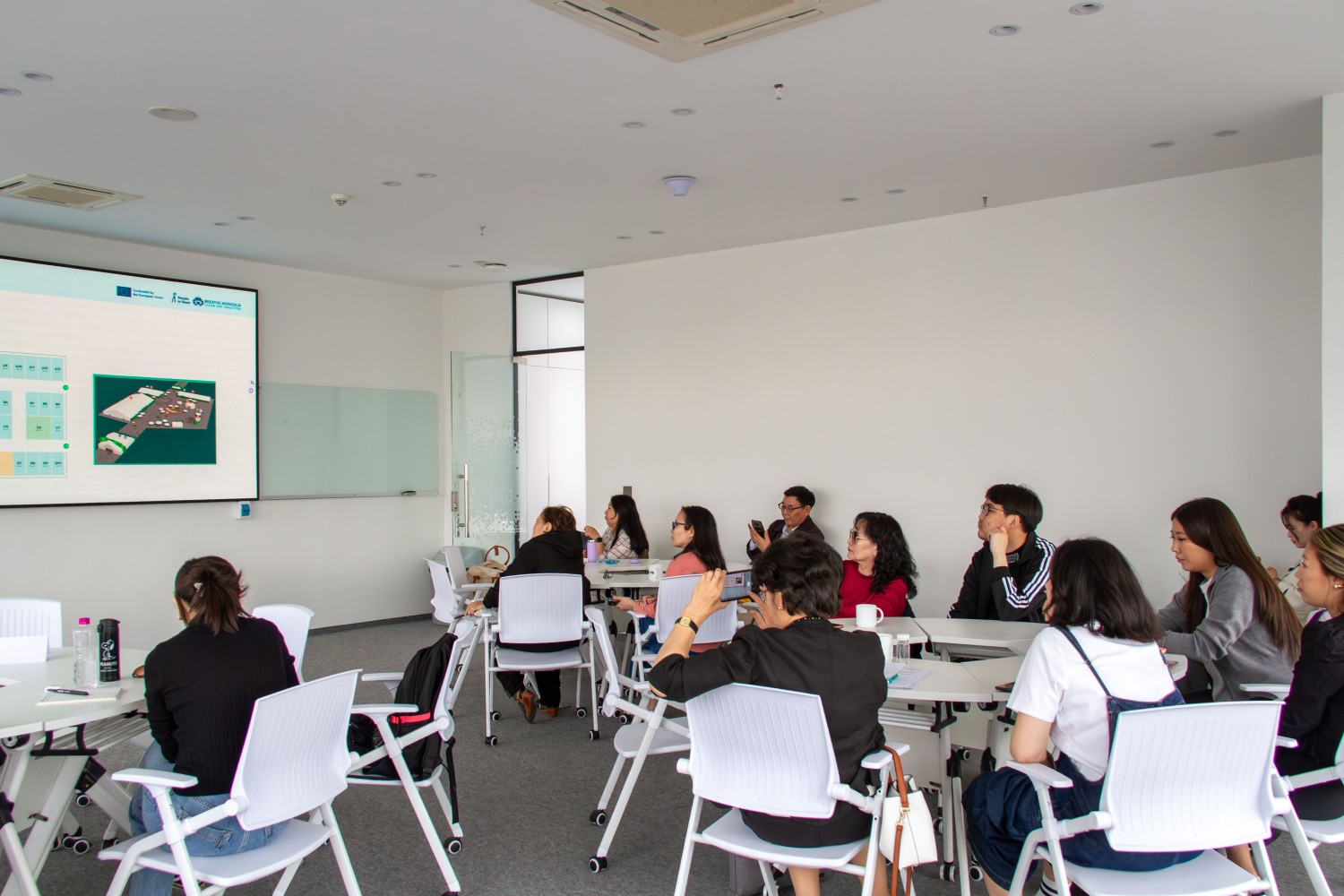
The Civil Society Joint Statement sets out three priority areas:
1. Protecting rangelands, land degradation, and environmental sustainability
- The coalition calls for land degradation to be addressed not only through physical or biological rehabilitation, but also through stronger land governance, local participation, and protection of rights. Its recommendations include:
- recognizing herders' collective customary rangeland use rights;
- protecting seasonal migration routes, winter and spring campsites, and water sources;
- ensuring meaningful participation of herders and local communities in land-use decisions, monitoring, and rehabilitation planning; and
- ensuring that free, prior and informed consent (FPIC) is applied throughout the project cycle for mining, energy and infrastructure projects, rather than being limited to consultation.
2. Mining and responsible land management
The coalition calls for stronger environmental standards and enforcement to reduce the contribution of mining to land degradation and desertification, particularly in the Gobi. This includes:
- applying relevant international environmental standards and guidance to mining activities;
- strengthening planning, management, and technical standards for mine operations and rehabilitation, including the Global Industry Standard on Tailings Management (GISTM); and
- improving reporting on implementation through Mongolia's national PRAIS reporting system.
3. Inclusive decision-making and sustainable, equitable financing
The coalition calls for civil society and affected communities to have a meaningful role in land governance and for financing mechanisms to better support locally led action. Its recommendations include:
- institutionalizing civil society participation in land governance;
- recognizing participatory monitoring and traditional knowledge;
- ensuring the representation of women, youth, older people and traditional nomadic herders; and
- strengthening access to, transparency of, and accountability for land and climate financing.
The coalition is calling on decision-makers to consider these priorities in the COP17 process and in Mongolia's longer-term policy and planning. It will continue to advocate for greater participation, stronger accountability and improved access to financing to address land degradation and support sustainable land management.
The Civil Society Joint Statement can be found here.
About the CSO Joint Advocacy Network
The Civil Society Joint Statement was developed through the CSO Joint Advocacy Network, comprising more than 30 civil society organizations in Mongolia. The network provides a platform for CSOs to exchange perspectives, coordinate advocacy, and collectively engage with government and other stakeholders on issues related to land, climate, environmental protection, and sustainable development. The process was facilitated by People in Need Mongolia through the EU-funded Twin Transition Project.
This publication was funded by the European Union through the Twin Transition Project, implemented by People in Need. Its contents are the sole responsibility of the contributing civil society organizations and do not necessarily reflect the views of People in Need or the European Union.
ULAANBAATAR, Mongolia – August 13, 2026 – As Mongolia prepares to host the 17th session of the Conference of the Parties (COP17) to the UN Convention to Combat Desertification (UNCCD), more than 30 Mongolian civil society organizations have come together to issue a joint statement calling for stronger action on land degradation and desertification and greater recognition of the voices of communities directly affected by these issues.
The coalition has submitted its statement to Mongolia's COP17 negotiating team, as well as the Government of Mongolia, the Ministry of Environment and Climate Change, and the Ministry of Foreign Affairs. The statement calls for civil society priorities to be reflected in the outcomes of COP17 and in Mongolia's longer-term policies on land degradation, environmental protection and sustainable financing.
Mongolia will host COP17 from 17–28 August 2026, bringing together representatives of 197 Parties to the UNCCD for negotiations on land degradation, drought and desertification. Against this backdrop, the coalition is drawing attention to issues it believes require greater attention, including the health of Mongolia's rangeland ecosystems, the protection of traditional pastoral livelihoods, responsible mining and land rehabilitation, and meaningful participation of local communities in decision-making.
The Civil Society Joint Statement sets out three priority areas:
1. Protecting rangelands, land degradation, and environmental sustainability
- The coalition calls for land degradation to be addressed not only through physical or biological rehabilitation, but also through stronger land governance, local participation, and protection of rights. Its recommendations include:
- recognizing herders' collective customary rangeland use rights;
- protecting seasonal migration routes, winter and spring campsites, and water sources;
- ensuring meaningful participation of herders and local communities in land-use decisions, monitoring, and rehabilitation planning; and
- ensuring that free, prior and informed consent (FPIC) is applied throughout the project cycle for mining, energy and infrastructure projects, rather than being limited to consultation.
2. Mining and responsible land management
The coalition calls for stronger environmental standards and enforcement to reduce the contribution of mining to land degradation and desertification, particularly in the Gobi. This includes:
- applying relevant international environmental standards and guidance to mining activities;
- strengthening planning, management, and technical standards for mine operations and rehabilitation, including the Global Industry Standard on Tailings Management (GISTM); and
- improving reporting on implementation through Mongolia's national PRAIS reporting system.
3. Inclusive decision-making and sustainable, equitable financing
The coalition calls for civil society and affected communities to have a meaningful role in land governance and for financing mechanisms to better support locally led action. Its recommendations include:
- institutionalizing civil society participation in land governance;
- recognizing participatory monitoring and traditional knowledge;
- ensuring the representation of women, youth, older people and traditional nomadic herders; and
- strengthening access to, transparency of, and accountability for land and climate financing.
The coalition is calling on decision-makers to consider these priorities in the COP17 process and in Mongolia's longer-term policy and planning. It will continue to advocate for greater participation, stronger accountability and improved access to financing to address land degradation and support sustainable land management.
The Civil Society Joint Statement can be found here.
About the CSO Joint Advocacy Network
The Civil Society Joint Statement was developed through the CSO Joint Advocacy Network, comprising more than 30 civil society organizations in Mongolia. The network provides a platform for CSOs to exchange perspectives, coordinate advocacy, and collectively engage with government and other stakeholders on issues related to land, climate, environmental protection, and sustainable development. The process was facilitated by People in Need Mongolia through the EU-funded Twin Transition Project.
This publication was funded by the European Union through the Twin Transition Project, implemented by People in Need. Its contents are the sole responsibility of the contributing civil society organizations and do not necessarily reflect the views of People in Need or the European Union.