

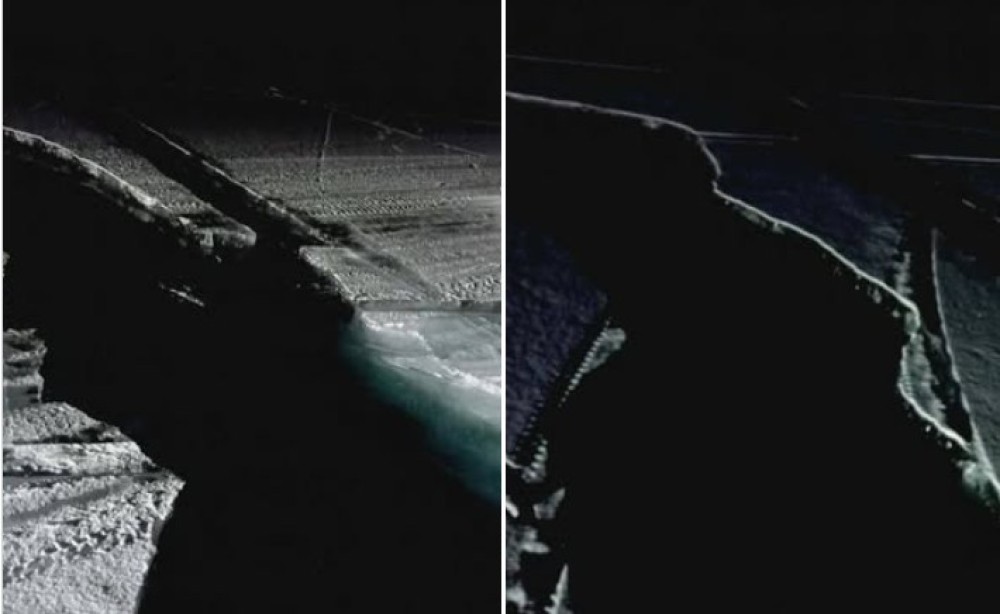
The Emergency Department of Khuvsgul province has warned that an ice crack has appeared on Khuvsgul Lake at the Shivdegiin am location in Turag village, Khankh soum. Officials said a “black ice crack”, where frozen lake ice splits and creates open water channels, is a particularly dangerous condition because it can form gaps in both directions and allow water to flow through.
Citizens are strongly advised not to travel on the ice or use it as a shortcut that would put themselves or others at risk.
As of February 11, most rivers and lakes nationwide have seen ice-thickness increases of 5–25 cm compared with ten days earlier, with ice cover now ranging from 35–165 cm in many places. However, ice thickness has thinned by 5–20 cm on the Gichgene, Suman Khoit Tamir and Selenge rivers.
The meteorological institution and emergency services urged herders, drivers and the public to avoid driving or travelling on ice, to use certified bridges and marked crossings, and not to rely on ice as a time-saving route.
The Emergency Department of Khuvsgul province has warned that an ice crack has appeared on Khuvsgul Lake at the Shivdegiin am location in Turag village, Khankh soum. Officials said a “black ice crack”, where frozen lake ice splits and creates open water channels, is a particularly dangerous condition because it can form gaps in both directions and allow water to flow through.
Citizens are strongly advised not to travel on the ice or use it as a shortcut that would put themselves or others at risk.
As of February 11, most rivers and lakes nationwide have seen ice-thickness increases of 5–25 cm compared with ten days earlier, with ice cover now ranging from 35–165 cm in many places. However, ice thickness has thinned by 5–20 cm on the Gichgene, Suman Khoit Tamir and Selenge rivers.
The meteorological institution and emergency services urged herders, drivers and the public to avoid driving or travelling on ice, to use certified bridges and marked crossings, and not to rely on ice as a time-saving route.